Teamwork and conflict resolution are two fundamental aspects of labour dynamics. In this article, we will explore the benefits of teamwork in conflict resolution, providing an integral understanding of how these two elements intertwine to foster a harmonious and productive working environment.
Introduction
Teamwork is a common practice in the workplace, as it allows employees to collaborate and leverage individual skills to achieve common goals. On the other hand, conflict resolution is crucial to maintaining a healthy working environment and avoiding unnecessary tensions. When we combine these two dynamics, significant benefits emerge that positively influence organizational culture and business performance.
History and background
The concept of teamwork is rooted in antiquity, where ancient civilizations recognized the importance of collective collaboration to achieve common goals. Over time, various theories and approaches have enriched the understanding of how teamwork works, from the pioneer research of Kurt Lewin to contemporary methodologies such as Agile and Scrum, which have revolutionized project management.
In terms of conflict resolution, its relevance goes back to the innate need of the human being to mediate disagreements to maintain social cohesion. From conciliation practices in ancient Greece to modern mediation and negotiation techniques, conflict resolution has evolved to become a field of study and integral practice in psychology, sociology and working environments.
In-depth analysis
Benefits of teamwork in conflict resolution
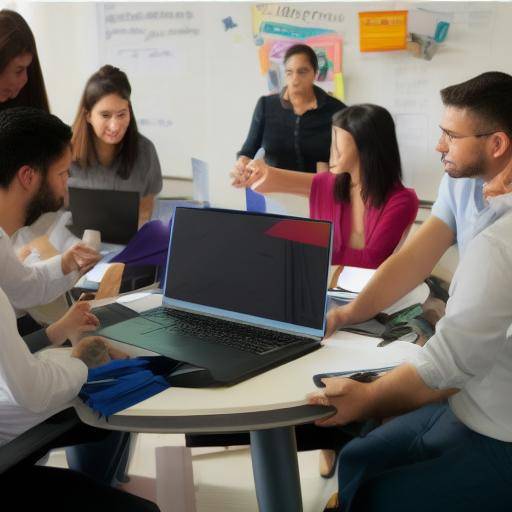
Teamwork not only fosters collaboration and exchange of ideas, but also plays a key role in effective conflict resolution in the working environment. When employees work together towards a common goal, they are more willing to seek constructive solutions to disagreements, rather than opting for harmful confrontations. In addition, teamwork fosters empathy and mutual understanding, creating an enabling environment for effectively addressing and resolving conflicts.
Challenges in the effective implementation of teamwork in conflict resolution
Despite its benefits, effective implementation of teamwork in conflict resolution entails significant challenges. Diversity of opinions, ego management and ineffective communication can hinder the conflict resolution process. It is therefore crucial that organizations adopt specific strategies to foster an environment where teamwork becomes a catalyst for constructive conflict resolution.
Comprehensive review
Practical applications of teamwork in conflict resolution
Case study: XYZ Company
In XYZ, a team-based conflict resolution approach was implemented, where multidisciplinary groups were formed to address internal problems. Interdepartmental collaboration facilitated the identification of comprehensive solutions that addressed the roots of conflicts, resulting in a more harmonious and productive working environment.
Expert perspectives on teamwork in conflict resolution
According to Dr. García, an organizational psychologist, "Work as a team is essential to overcome the challenges in conflict resolution, as it promotes cohesion and mutual commitment to find sustainable solutions."
Comparative analysis
Benefits of teamwork vs. individual approaches in conflict resolution
Unlike individual approaches, teamwork offers a variety of perspectives and skills that enrich the conflict resolution process. While individual approaches may lack diversity and creativity, teamwork fosters synergy of ideas, leading to more innovative and effective solutions.
Practical advice and recommendations
Key to fostering teamwork in conflict resolution
- To cultivate a culture of openness and dialogue within the organization.
- Promote diversity and value divergent views.
- Establish constructive feedback systems to address conflicts proactively.
- Promote training and training in conflict resolution skills for teams.
Industry ideas and opinions
Emerging trends in teamwork and conflict resolution
Current trends point to a more holistic approach that integrates emotional intelligence and diversity management in the development of effective teams for conflict resolution. In addition, technology is playing a crucial role in facilitating remote collaboration and conflict management in virtual environments.
Case studies and applications in real life
Case study: ABC Company
ABC implemented a team-based conflict resolution training program, observing a substantial decrease in interdepartmental conflicts and an increase in team cohesion. This resulted in increased productivity and job satisfaction among employees.
Future trends and predictions
The impact of artificial intelligence on conflict resolution
Artificial intelligence is expected to play a significant role in analyzing data to identify patterns and trends in labour conflicts, providing insights that facilitate informed decision-making in conflict resolution within working teams.
Conclusion
In conclusion, teamwork plays a vital role in the effective resolution of labour disputes, providing benefits that go beyond mere collaboration. By fostering empathy, creativity and diversity of ideas, teamwork becomes a powerful tool to address and overcome conflicts with a constructive and growth-oriented approach.
Frequently asked questions
Why is it important to encourage teamwork to resolve conflicts?
Teamwork fosters more effective collaboration by harnessing individual strengths to address conflicts from diverse perspectives, resulting in more comprehensive and sustainable solutions.
What are the key skills needed for a team that seeks to resolve conflicts effectively?
Communication, empathy, emotional management and critical thinking skills are fundamental to facilitating an effective conflict resolution process within a working team.
Can teamwork aggravate conflicts rather than resolve them?
If not properly managed, teamwork can exacerbate conflicts by amplifying differences and disagreements. It is essential to establish an enabling environment for teamwork to contribute to effective conflict resolution.
How can leaders foster teamwork to address conflicts on their team?
Leaders can foster teamwork by establishing a culture of trust, support and recognition of diversity of opinions, which encourages effective collaboration and constructive conflict resolution.
What is the role of technology in teamwork and conflict resolution?
Technology plays a crucial role in facilitating collaboration in distributed teams and providing tools for effective conflict management, such as communication platforms and advocacy tracking systems.
How can teamwork foster cohesion and sense of belonging in the working environment?
Teamwork promotes cohesion by involving employees in collective decisions, which strengthens the ties of trust and solidarity, creating a sense of belonging and commitment to the organization.
With this comprehensive guide on the benefits of teamwork in conflict resolution, we hope to have provided a deep understanding of how these practices are intertwined to improve the working environment and overall performance of an organization.
It recalls that encouraging teamwork and promoting constructive conflict resolution not only benefits employees individually, but also has a positive impact on organizational culture and business results. By integrating these principles into labour dynamics, organizations can cultivate a more harmonious, collaborative and productive environment, resulting in greater long-term success.
We hope that this article has been informative and useful in understanding the importance of teamwork in conflict resolution. If you have more questions or need additional advice, don't hesitate to get in touch. Thanks for your reading!
Remember, the power of teamwork in conflict resolution lies in its capacity to foster collaboration, innovation, and personal and organizational growth.
Note: The content provided is for information purposes only. If you need specific professional advice, we recommend consulting a qualified specialist.
Thanks for your reading!