Introduction
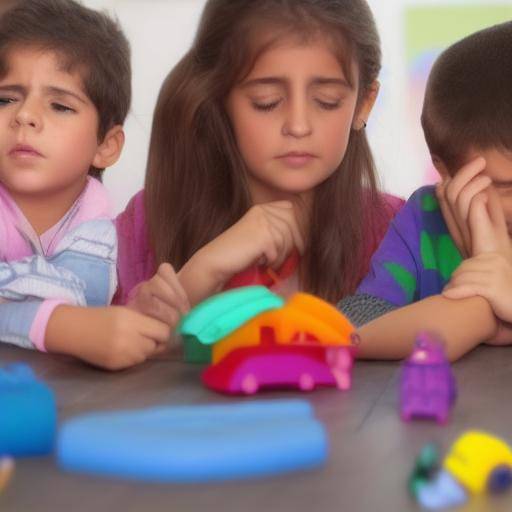
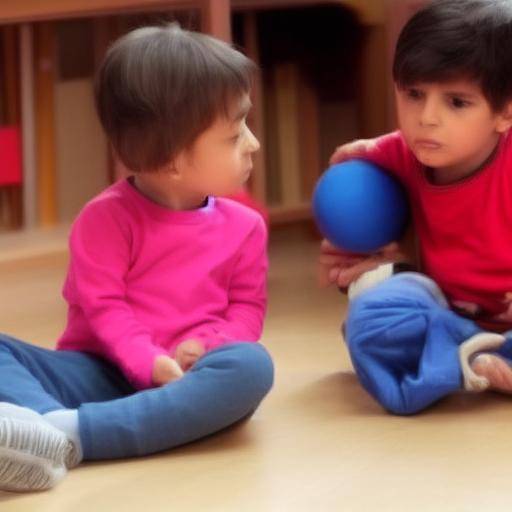
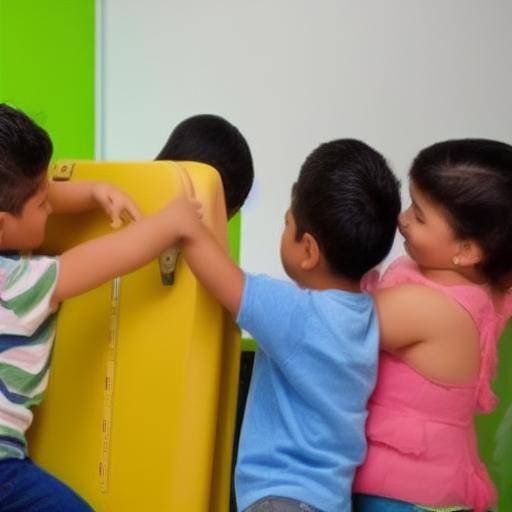
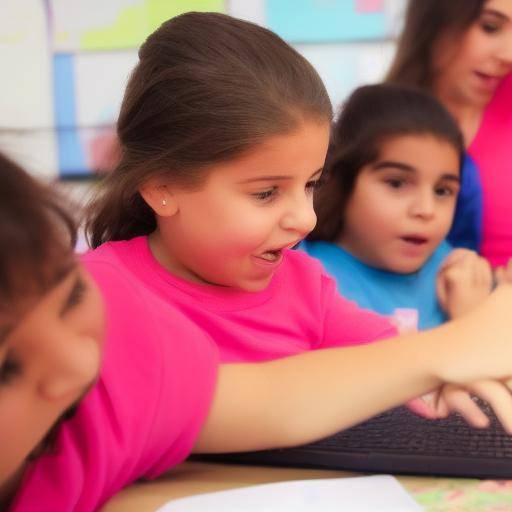
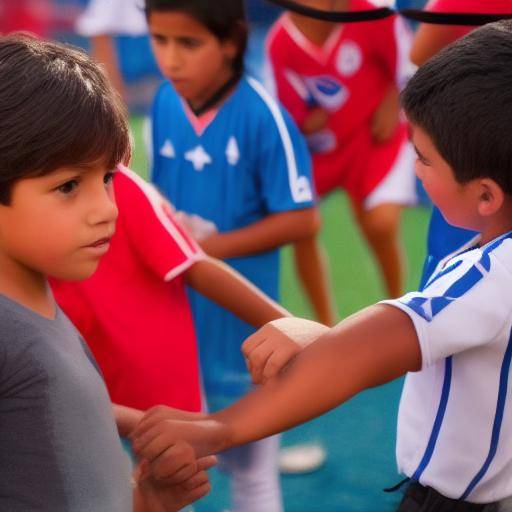
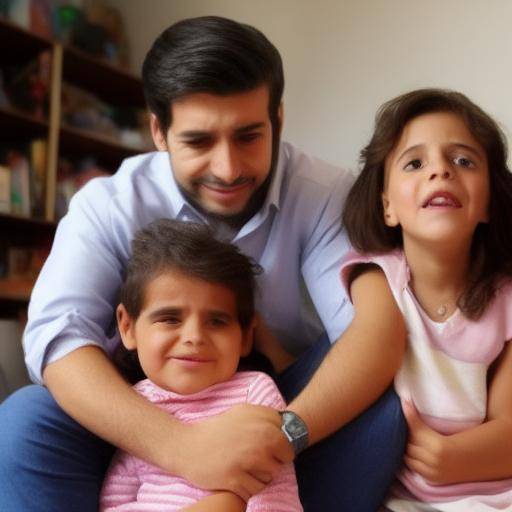
Conflict resolution is a crucial skill in the life of any individual, and its early development is fundamental to children. Learning to manage and resolve conflicting situations not only fosters healthy relationships, but will also cultivate the ability to express emotions constructively. In this article, we will explore the importance of developing conflict resolution skills in children, offering practical advice and effective strategies to promote balanced emotional development.
History and Background
Conflict resolution has been a crucial aspect of human life since time immemorial. From territorial disputes to personal disagreements, the need to manage and resolve conflicts has been present in all cultures and societies. In ancient times, civilizations such as Greek and Roman explored mediation and arbitration as ways of resolving differences.
In modern times, psychology and education have provided a more structured approach to developing conflict resolution skills in children. As the understanding of child psychology has evolved, more effective approaches have been developed to address childhood conflicts.
Deep analysis
Conflict resolution in children is not only about avoiding fights, but also promoting social and emotional skills. Performing in-depth analysis allows us to understand the challenges and benefits of fostering these skills from an early age.
By developing conflict resolution skills, children acquire the ability to understand and articulate their emotions, allowing them to communicate effectively. In addition, they learn to develop empathy and understanding towards others, thus promoting healthy and lasting relationships.
Comprehensive review
The implementation of effective tools and strategies to develop conflict resolution skills in children is critical. By exploring practical applications and case studies, we can identify best practices that have proven successful.
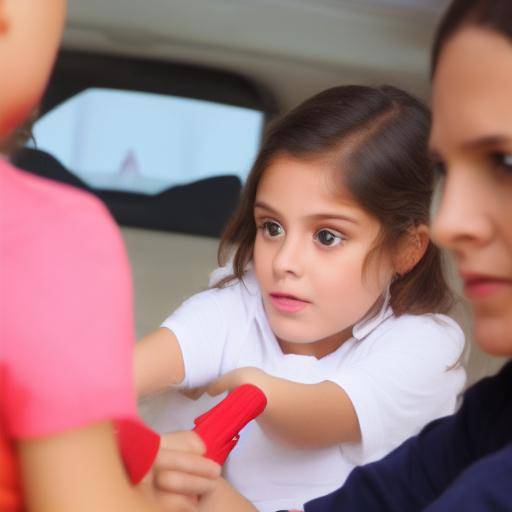
Mediation is an effective approach to teaching children to resolve conflicts. Through mediation, children learn to listen, understand and find mutually acceptable solutions, empowering them to deal with future conflicts constructively.
Comparative analysis
While developing conflict resolution skills in children can share similarities with the adult approach, it is crucial to understand differences and adapt strategies accordingly. Children are still developing their cognitive and emotional capacity, so strategies must conform to their understanding and development.
In children, the game can be a powerful tool to teach conflict resolution skills. Through the game, children can practice decision-making, collaboration and problem solving, all while having fun and developing vital skills.
Practical Tips and Accessible Tips
Providing practical advice to parents, educators and caregivers is essential to fostering conflict resolution in children. Providing specific approaches and activities that promote the development of social and emotional skills facilitates the practical implementation of these strategies.
- Encourage open dialogue: encourage children to express their emotions and views in conflict situations.
- Teaching active listening skills: promoting understanding and empathy towards the emotions of others.
- Foster teamwork: teach children to collaborate and find mutually beneficial solutions.
Perceptions of Industry and Expert Reviews
The perspectives of experts in child psychology and education are fundamental to understanding in depth effective strategies for developing conflict resolution skills in children. In presenting the latest research and expert views, a holistic and up-to-date understanding is guaranteed.
Case Studies and Practical Applications
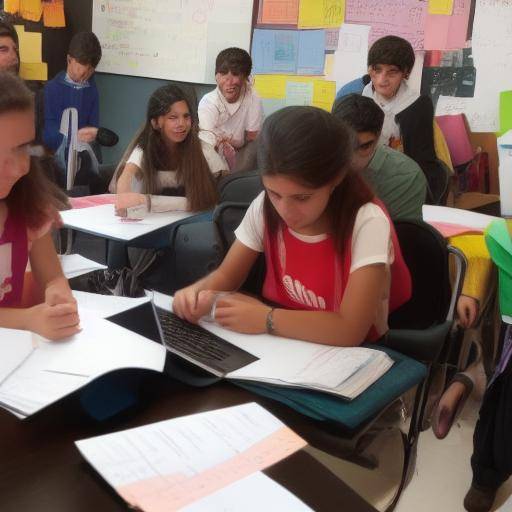
Exploring real cases in educational and family environments gives us a concrete view of how conflict resolution strategies are successfully implemented in the daily lives of children. In analysing the results and lessons learned, we can identify effective approaches that can be replicated in various contexts.
A case study revealed that the implementation of conflict resolution programmes in schools not only reduced the frequency of conflicts among students, but also improved their ability to manage emotions and improve interpersonal relationships.
Future Trends and Predictions
As awareness of the importance of developing conflict resolution skills in children continues to grow, it is crucial to explore future trends and possible developments in this field. The integration of technology, adaptation to complex environments and the evolution of pedagogical approaches are areas that promise to influence the future of the development of conflict resolution skills in children.
The integration of digital tools, such as interactive applications and platforms, is expected to facilitate the learning and practice of conflict resolution skills from an early age. In addition, collaboration among professionals in psychology, education and technology promises to open new avenues for the development of innovative approaches.
Conclusions
The development of conflict resolution skills in children is essential for their emotional, social and cognitive well-being. By providing them with the tools necessary to handle conflicts constructively, we are equipping them to build healthy relationships and effectively face challenges throughout their lives.
Frequently asked questions
How old should you start teaching conflict resolution skills to children?
Beginning the process of teaching conflict resolution at an early age, around 3-4 years, is beneficial for children to start understanding and managing their emotions and relationships with others positively.
How can parents foster conflict resolution in their children?
Parents can foster conflict resolution by providing positive examples, promoting open dialogue and emotional expression, and teaching active listening skills and empathy.
What are some practical activities to teach conflict resolution skills to children?
Activities such as role-playing, storytelling, joint troubleshooting and the search for creative solutions can be effective in teaching conflict resolution skills to children.
What are the long-term benefits of promoting conflict resolution skills in children?
Long-term benefits include the development of healthy relationships, the ability to effectively manage stress and conflict, and the improvement of self-esteem and self-confidence.
What is the role of educators in promoting conflict resolution in the school environment?
Educators play a key role in modeling positive behaviors, teaching communication skills and problem solving, and creating a learning environment that promotes empathy and collaboration.
What approach is more effective in teaching conflict resolution skills in children: mediation or arbitration?
Both approaches have their benefits, but mediation is often more effective in children ' s environments, as it trains children to find mutually acceptable solutions and promotes their autonomy in conflict resolution.
With the implementation of effective strategies and adequate support, the development of conflict resolution skills in children can lay the foundation for a future in which they can face challenges constructively and forge healthy and productive relationships.