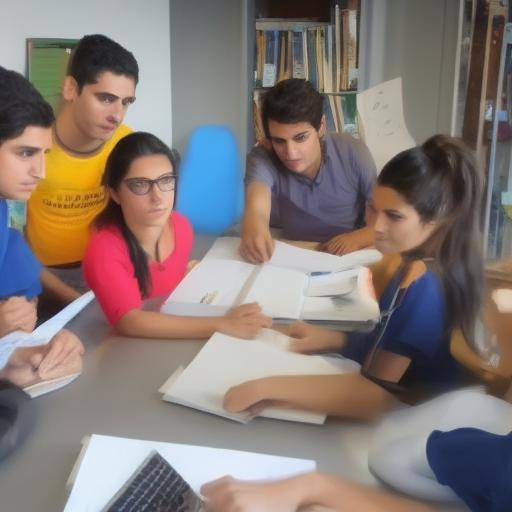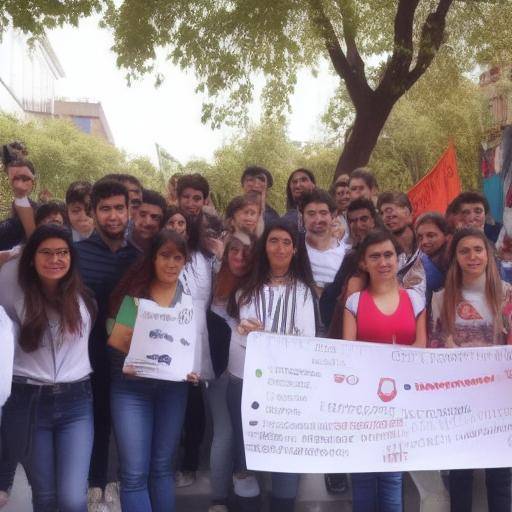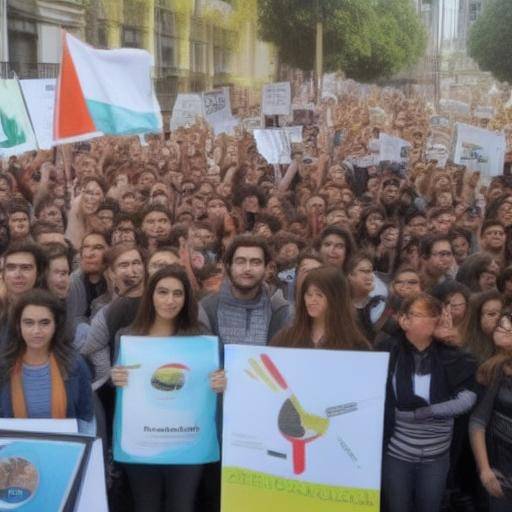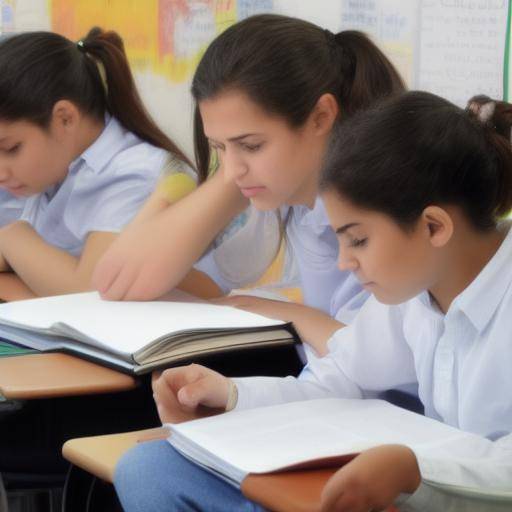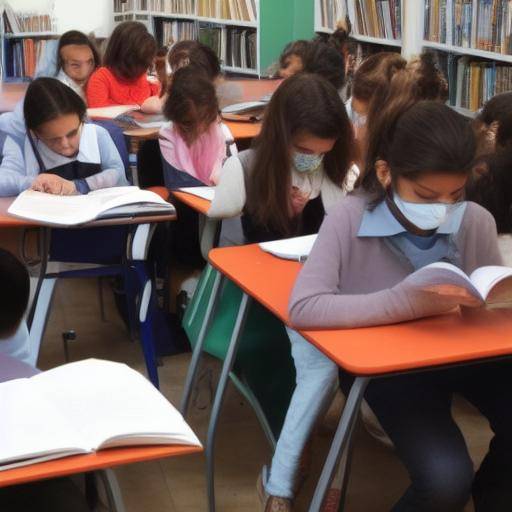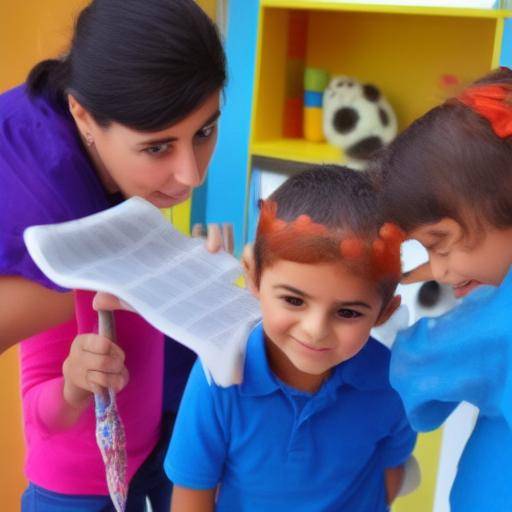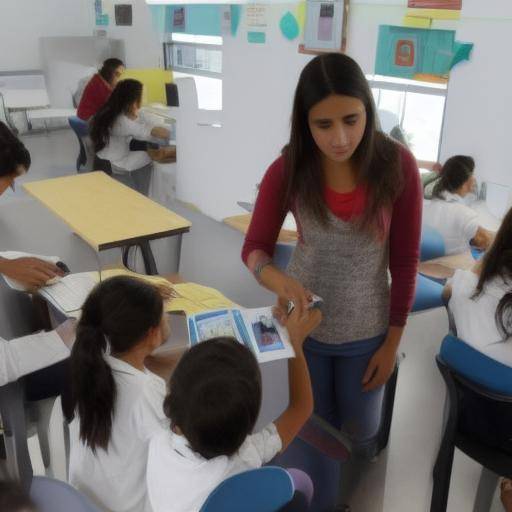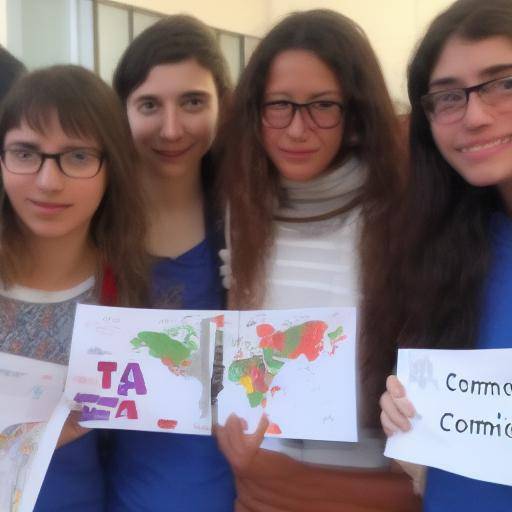
In today ' s globalized world, fostering intercultural dialogue among students has become a crucial need. Interaction between different cultures in educational settings is essential to promote understanding, respect and peaceful coexistence. In this article, we will explore in depth how to foster intercultural dialogue among students, including their importance, challenges, benefits, best practices and future trends.
Introduction
Intercultural dialogue in educational settings is much more than simply exposing students to different cultures. It consists of promoting mutual understanding, empathy and respect among individuals with diverse cultural backgrounds. In promoting this dialogue, an inclusive environment is created that enriches academic experience and prepares students for a diverse and global world. In this context, we will explore practical and effective strategies to foster intercultural dialogue among students, as well as their impact on education and society at large.
History and Background
Intercultural dialogue has its roots in the need to understand and appreciate cultural differences. Since ancient times, civilizations have interacted, exchanged knowledge, customs and traditions. However, it was from the movements of globalization and mass migration when the importance of intercultural dialogue became evident.
Throughout history, various events have contributed to the development of intercultural dialogue, such as trade routes connecting continents, the era of colonization and the struggle for civil rights. These events marked significant milestones in the evolution of intercultural dialogue, leading to greater recognition of cultural diversity and the need for their harmonious integration.
Analysis in Deep
Intercultural dialogue in educational settings offers countless benefits, such as promoting empathy, reducing prejudice, fostering creativity and preparing for a globalized labour market. However, it also presents challenges, such as language barriers, cultural misunderstandings and resistance to change. Understanding these aspects is key to implementing effective strategies that foster intercultural dialogue successfully.
Full review
To promote intercultural dialogue among students, it is essential to promote meaningful intercultural interaction, promote diversity in the academic curriculum and train teachers in intercultural competence. At the same time, it is vital to address the challenges through the design of inclusive programs, the creation of safe spaces for cultural expression and the promotion of equal participation of all cultures in student life.
Comparative analysis
While promoting intercultural dialogue among students and promoting cultural diversity are intertwined, each brings unique benefits. While intercultural dialogue facilitates mutual understanding, cultural diversity enriches the academic environment and prepares students for multicultural societies. However, both aspects converge in the promotion of the inclusion and enrichment of educational experiences.
Practical Tips and Accessible Tips
- Include cultural diversity in extracurricular activities
- Organize cultural events to encourage interaction between students
- Integrate cultural diversity in the academic curriculum
- Facilitate the exchange of cultural experiences among students
Industry Information and Expert Reviews
According to Dr. Carlos Pérez, an educational multicultural expert, "The key to fostering intercultural dialogue among students lies in creating spaces of trust where diversity is valued and respected." These views reaffirm the importance of establishing inclusive and respectful environments to promote intercultural dialogue in educational settings.
Case Studies and Real Life Applications
An outstanding example of promoting intercultural dialogue among students is the program "Cultural Exchange" implemented at the International Secondary School. The program promotes interaction between students of different nationalities through collaborative projects, which has proven to strengthen intercultural understanding and foster lasting friendships.
Future Trends and Predictions
As globalization continues to unite the world, promoting intercultural dialogue among students will become even more crucial. Future trends suggest greater integration of multicultural aspects into curricula, the development of technologies that facilitate connectivity among students from different countries, and greater awareness of the importance of intercultural competition in the global labour market.
Conclusions
Promoting intercultural dialogue among students represents an investment in a more inclusive and harmonious future. In understanding the importance of cultural diversity and promoting mutual respect, solid foundations are built for a united global society. Implementing practical strategies to foster intercultural dialogue in educational settings not only enriches student experience, but also prepares future generations to embrace diversity and thrive in a globalized world.
Frequently asked questions
1. What is the importance of fostering intercultural dialogue among students?
Promoting intercultural dialogue helps promote mutual understanding, reduce prejudice and prepare students for interaction in a diverse and globalized world.
2. How can teachers foster intercultural dialogue in the classroom?
Teachers can foster intercultural dialogue by incorporating cultural diversity into the curriculum, organizing intercultural activities and promoting an inclusive environment.
3. What are the benefits of promoting intercultural dialogue in educational settings?
Benefits include the development of empathy, the promotion of creativity, the preparation for a diverse world and the reduction of intercultural conflicts.
4. What are the most common challenges in fostering intercultural dialogue among students?
Some common challenges include language barriers, cultural misunderstandings and resistance to change by certain sectors of the student community.
5. How does it impact the promotion of intercultural dialogue in society as a whole?
Promoting intercultural dialogue contributes to a more inclusive, respectful and prepared society to address the challenges of cultural diversity in the labour, social and political spheres.
6. What are future trends in promoting intercultural dialogue among students?
Future trends aim at greater integration of multicultural aspects into the curricula, the development of technologies that facilitate connectivity among students from different countries and a greater awareness of the importance of intercultural competition in the global labour market.
In short, fostering intercultural dialogue among students is essential to building inclusive societies and preparing future generations for a diverse and globalized world. Through the implementation of practical strategies and the promotion of mutual understanding, respect and empathy, enriching educational environments that transcend cultural boundaries and strengthen ties between individuals of different origins can be promoted.