Introduction
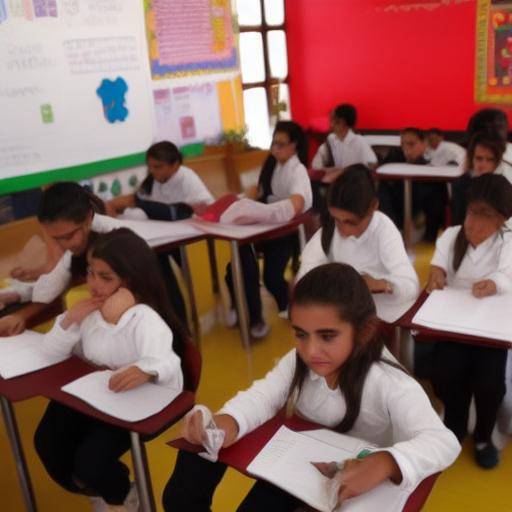
Self-government in secondary education is a growing issue in the integral development of students. At present, educators are increasingly seeking effective resources to foster self-government in the learning of young people by preparing them for the academic and labour world. In this article, we will thoroughly explore resources, strategies and approaches for teaching autonomy in secondary education. From its historical background to future trends and predictions, this content will provide a comprehensive and up-to-date view on this relevant subject.
History and Background
The notion of autonomy in education has its roots in the humanistic pedagogy of the 20th century, where the development of the person was promoted in its entirety, promoting responsibility, decision-making and self-regulation in the educational process. These principles promoted the creation of new teaching methodologies and approaches focused on the student as an active agent of his own learning.
Over the years, many studies and research have supported the benefits of promoting autonomy in education. It has been noted that students with a high degree of autonomy tend to be more motivated, have better organizational and planning skills, and show greater commitment to learning.
Deep analysis
The teaching of autonomy in secondary education entails a number of challenges for both teachers and students themselves. While it is essential to promote independence in the learning process, it is necessary to find a balance to avoid leaving students without proper guidance.
Technology, in this regard, has opened new possibilities for promoting autonomy in secondary education. Educational platforms, interactive applications and digital resources have proven to be effective tools to empower students in their learning process, enabling them to access information autonomously, collaborate on online projects and develop problem solving skills.
Comprehensive review
The implementation of specific strategies to promote autonomy in secondary education benefits both students and teachers. The use of research-based methods, cooperative learning and training evaluation are just some of the practices that have proven to be effective in promoting independence and self-regulation in learning.
The establishment of learning environments that encourage decision-making by students, problem solving and critical thinking creates an enabling environment for the development of autonomy.
Comparative analysis
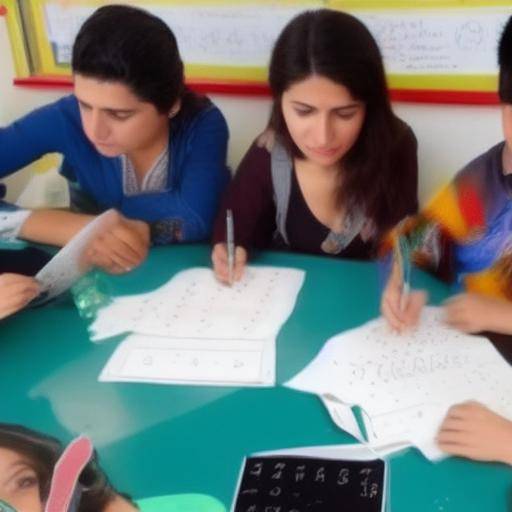
In practical terms, resources to teach autonomy in secondary education cover a wide range of tools and approaches. From the implementation of self-directed learning projects to the integration of self-reflection and self-regulation techniques into the classroom, educators have at their disposal various alternatives to promote the autonomy of their students.
Practical Tips and Accessible Advice
Here are some practical tips and recommendations for teaching autonomy in secondary education:
- Promote decision-making in the choice of research projects or topics.
- Provide opportunities for students to set short- and long-term goals.
- Provide constructive feedback that promotes reflection and self-recognition.
- Support the development of troubleshooting and critical thinking skills.
Industrial Perspectives and Expert Reviews
Experts in the educational field agree that autonomy is a fundamental pillar in the integral formation of students. Advances in neuroscience and educational psychology have supported the importance of promoting autonomy as a key factor in the cognitive and emotional development of young people. It also highlights the need to adapt educational strategies to empower students in a constantly changing world, where the ability to learn autonomously becomes increasingly relevant.
Case Studies and Practical Applications
Throughout various educational institutions, innovative programmes and resources have been implemented to promote autonomy in secondary education. Examples such as the inclusion of self-directed research projects, the introduction of flexible learning spaces and the integration of educational technologies have proved to be effective in empowering students.
Future Trends and Predictions
Current trends in the educational field indicate that the promotion of autonomy in secondary education will remain a central approach. The integration of technological tools, the development of cross-cutting competencies and the adaptation of evaluation methods to promote autonomy are some of the development lines that are focused on education.
Conclusions
The teaching of autonomy in secondary education represents an exciting and fundamental challenge in the integral development of students. The resources, strategies and approaches presented in this article offer a comprehensive and up-to-date view on how to promote autonomy in the educational field, driving students towards a more meaningful and self-directed learning.
Frequently asked questions
What technological resources are useful for fostering autonomy in secondary education?
There are various technological tools that can be effective in promoting learning autonomy, such as online learning platforms, task and project management applications, and virtual collaborative environments.
How can teachers balance autonomy with the necessary guidance for students?
It is essential for teachers to strike a balance between empowering students and providing the necessary guidance and support throughout the educational process. Feedback, modelling and personalized mentoring are key strategies in this regard.
What are the long-term benefits of fostering autonomy in secondary education?
Students who develop a high level of autonomy in their learning process tend to be more proactive, have strong problem solving skills and are better prepared to assume responsibilities in their academic and professional training.
How can parents support the autonomy of their children in secondary education?
Parents can foster self-government in their children by supporting them in decision-making, promoting organization and planning, and providing an environment of support and confidence in the development of their skills.
What impact does autonomy have on the emotional well-being of students?
Self-government in learning is closely related to the emotional well-being of students, as it gives them a sense of control and personal achievement, which contributes to their intrinsic self-esteem and motivation.
What are the emerging trends in the teaching of autonomy in secondary education?
There is an increase in the integration of active methodologies, the emphasis on the development of cross-cutting competencies and the adaptation of assessments to promote autonomy and self-regulation in learning.
Conclusion
The teaching of autonomy in secondary education is a fundamental aspect for the integral development of students. Through resources, innovative strategies and student-centred approaches, it is possible to enhance their self-learning capacity, preparing them for the challenges of the twenty-first century.
With a clear focus on the development of autonomy, educators and parents play a crucial role in empowering young people, allowing them to take an active role in their academic and personal training. This article seeks to provide a deep and up-to-date understanding of this increasingly relevant topic in the educational field, as well as to provide practical guidance for those involved in the teaching and learning process.
As autonomy in secondary education continues to gain importance, understanding effective resources and strategies to promote it becomes essential to cultivate an enriching and stimulating educational environment for students.
With the proper implementation of these resources and the understanding of their positive impact, autonomy in secondary education can make the difference in the way students approach their learning, forming not only academically competent individuals, but also safe, responsible and able to face the challenges ahead with confidence and determination.