Introduction
Early learning is a crucial moment in the development of a child, and sensory activities play a key role in this process. Stimulating the senses from an early age not only fosters cognitive, emotional and social development, but also lays the foundation for continuous learning and deep understanding of the world around them. In this article, we will explore the importance of sensory activities for early learning, providing practical advice, in-depth analysis and future predictions based on the expertise and recent research in the field.
History and Background
Sensory activities for early learning have their roots in the theory of child development, which has evolved significantly over the years. The understanding of the crucial role of the senses in child learning goes back to the pioneering work of psychologists and pedagogues such as Jean Piaget and María Montessori. Their studies showed that children are actively learning through the sensory exploration of their environment.
During the twentieth century, the focus on sensory activities was further consolidated with research on neuroscience and development psychology. It was discovered that a child's brain experiences rapid growth and plasticity during the first years of life, which makes it especially receptive to sensory stimulation.
Today, early learning sensory activities are recognized as essential elements in educational settings and homes. Current trends in pedagogy aim at the integration of multisensory approaches to maximize the learning potential of children from an early age. These activities are not only beneficial to children with special needs, but are considered essential for the comprehensive development of all children.
Analysis in Deep
Benefits of Sensory Activities
Sensory activities offer a wide range of benefits for child development. By stimulating the senses, children improve their ability to process information, develop thin and thick motor skills, promote creativity and problem solving, and establish a solid basis for the development of language and literacy.
Participation in sensory activities also promotes self-exploration and raises awareness of themselves and their environment, which contributes to their socio-emotional development. In addition, these sensory experiences provide opportunities for children to learn basic scientific and mathematical concepts through practical experimentation. In short, sensory activities play an integral role in the holistic development of young children.
Challenges in the implementation of Sensory Activities
Despite the many benefits of sensory activities, their implementation in educational settings can present challenges. Some of these challenges include the availability of adequate resources and materials, as well as adequate training and support for educators and caregivers. Furthermore, the adaptation of sensory activities to meet the individual needs of children requires a deep understanding of their development and careful planning.
Another common challenge is the misperception that sensory activities are exclusively for children with special needs, which can limit their adoption in wider environments. Overcoming these challenges requires a continuous commitment to training, awareness-raising and the promotion of sensory activities as an integral part of early learning.
Current Trends in Sensory Activities
Current trends in the field of sensory activities focus on the integration of interdisciplinary approaches and collaboration between educators, occupational therapists, parents and other professionals. This collaboration encourages the adaptation and customization of sensory activities to meet the individual needs of each child.
In addition, greater attention is being paid to the incorporation of natural and sustainable elements into sensory activities, recognizing the unique value of the connection with nature in the development of children. In addition, technology is being used creatively to enrich sensory experiences, providing opportunities for virtual exploration of sensory environments and the creation of interactive online activities.
Exhaustive examination
Applications Sensory Activities Practices
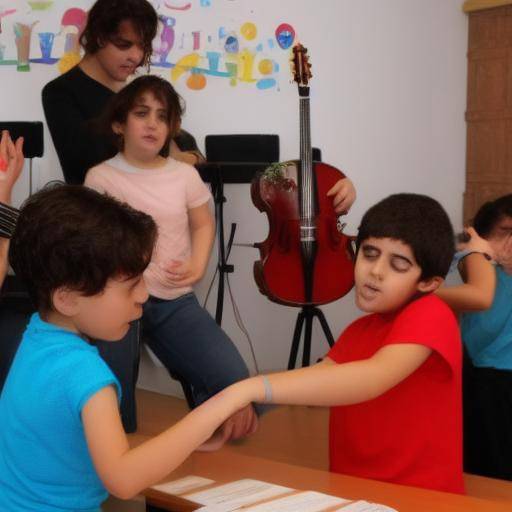
Sensory activities can be applied in a wide variety of environments, including home, school, child care centers, and therapeutic environments. At home, parents can incorporate simple sensory activities, such as the game with textures, smells and flavors, and outdoor activities that stimulate the senses. In educational settings, educators can integrate sensory activities into the curriculum to enrich the learning experience of children.
In therapeutic environments, sensory activities are valuable tools to support the development of motor and cognitive skills, as well as to provide calming and regulatory sensory experiences for children with special needs. The diversity of practical applications demonstrates the versatility and importance of sensory activities in multiple contexts.
Best Practices and Expert Perspectives
Best practices in sensory activities include careful observation of the responses of children, adaptation of activities to meet their individual needs, and creation of environments that promote safe and enriching sensory exploration. Collaboration between educators, therapists and parents is essential for the success of sensory activities, as each party can offer unique perspectives and contribute to the integral well-being of the child.
The perspectives of experts in the field highlight the importance of a holistic approach to child development, recognizing that sensory activities not only promote cognitive learning, but also have a significant impact on the emotional and social well-being of children. By adopting a holistic approach, the development potential of each child can be maximized and a solid basis for continuous learning throughout their lives promoted.
Comparative analysis
Sensory, Learning and Early: Synergies and Differences
By comparing sensory activities, early learning and intersection, it is clear that there is a natural synergy between them. Sensory activities offer opportunities for active and experiential learning, which aligns perfectly with the needs of children at their early stage of development. Through sensory exploration, children build a deep understanding of the world around them, laying the foundations for future learning.
However, it is important to recognize the differences between sensory activities and formal learning. While sensory activities focus on free exploration, experimentation and creativity, formal learning is often structured around specific academic objectives. The balanced combination of both approaches is key to providing children with comprehensive education that meets all their development needs.
Practical Tips and Accessible Tips
Implementation of Sensory Activities in the Home and School
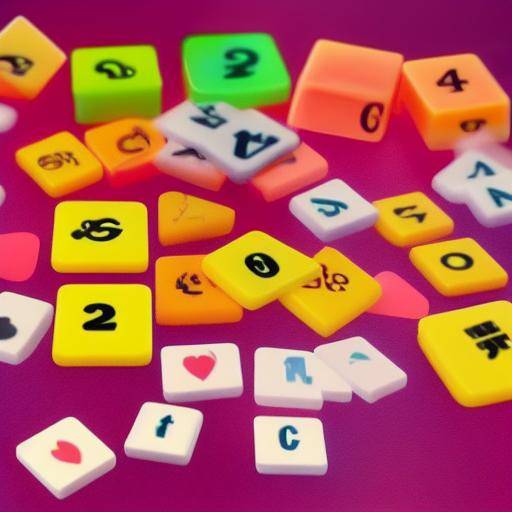
For parents, it is crucial to provide regular opportunities for their children to participate in sensory activities at home. This may include games that involve different textures, colors and sounds, as well as exploring outdoor environments. Moreover, reading out loud, stimulating conversations and participation in artistic activities can also enrich the sensory experience of children.
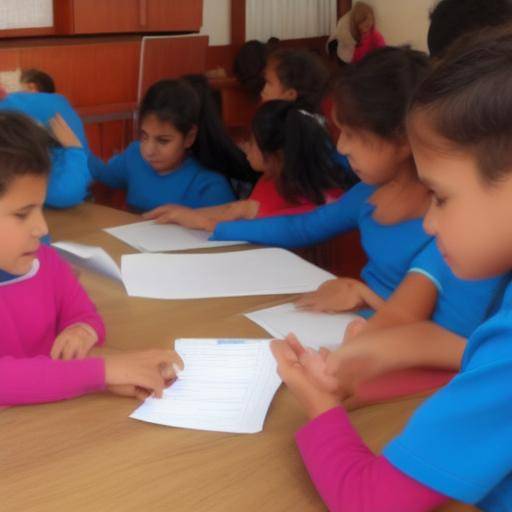
In school settings, educators can incorporate sensory activities into the curriculum through practical science projects, artistic and sensory activities, and games that encourage exploration and discovery. Having access to a variety of sensory materials and providing opportunities for creative and child-led exploration will contribute to an enriching learning environment.
Special care and considerations
When implementing sensory activities, it is important to take into account the individual needs of each child. Some children may be sensitive to certain sensory stimuli, while others may actively seek intense sensory experiences. Observing and respecting the individual preferences and limits of children is essential to ensuring positive and enriching experiences.
In addition, security in the implementation of sensory activities is an important consideration. Ensure that the materials used are safe, closely monitor activities involving small objects and provide guidance and active support during sensory activities are best practices to ensure the safety and well-being of children.
Industry Perspectives and Expert Reviews
Contributions of Experts and Future Trends
Experts on early childhood education and development underscore the importance of integrating significant sensory activities in child care and education settings. In doing so, a solid basis for future learning is established and greater commitment and enthusiasm for the learning process is promoted.
As for future trends, sensory activities are expected to continue to play a key role in early education, with a greater focus on integrating multisensory approaches, customization to meet the individual needs of children, and collaboration among various disciplines to enrich children ' s sensory experiences.
Case Studies and Practical Applications
Examples of Applications Successful of Sensory Activities
Several case studies demonstrate the positive impact of sensory activities on child development. For example, the implementation of a sensory area in a childcare centre resulted in increased active participation of children, increased social interaction and improved care and focus during educational activities.
In another case, the integration of sensory activities into the primary school curriculum led to a significant improvement in problem solving skills, creativity and self-expression of students. These examples highlight the positive influence and value of sensory activities in formal and informal educational settings.
Future Trends and Predictions
Evolution of Sensory Activities in Early Learning
Future trends in early learning sensory activities aim at greater customization and adaptation of sensory experiences to meet the unique needs of each child. The integration of emerging technologies, such as virtual reality and increased reality, is also a promising direction to enrich sensory activities and provide immersive and stimulating experiences for children.
In addition, sensory activities are expected to continue to play an essential role in the socio-emotional development of children, providing opportunities for self-regulation, emotional expression and meaningful relationships. The constant evolution of sensory activities reflects a continuous commitment to the integral development of children and the promotion of their curiosity and exploration of the world around them.
Conclusions and FAQs
Conclusions
Sensory activities are fundamental to early learning, as they provide children with comprehensive opportunities to explore, experience and understand the world around them through their senses. From sensory stimulation to emotional and cognitive development, sensory activities provide the basis for continuous and meaningful learning throughout a child's life.
Effective implementation of sensory activities requires a holistic approach that recognizes the individual needs of each child and fosters collaboration between parents, educators and health professionals. Attention to security, adaptation and integration of multisensory approaches are also critical to maximizing the potential of sensory activities in early learning.
Frequently asked questions
1. What is the importance of sensory stimulation for young children?
Sensory stimulation is essential for the integral development of children, as it gives them opportunities to explore, experience and understand their environment through their senses. This stimulation contributes to the cognitive, emotional, social and physical development of children, laying the foundations for continuous and meaningful learning.
2. How can I effectively implement sensory activities at home?
You can implement sensory activities at home by incorporating materials and experiences that stimulate the senses creatively. This may include the exploration of textures, colors, sounds and smells, as well as participation in outdoor activities that encourage sensory exploration.
3. What are some common challenges in the implementation of sensory activities?
Some common challenges in the implementation of sensory activities include the availability of adequate resources and materials, training and support for educators and caregivers, and the misperception that sensory activities are exclusively for children with special needs.
4. How can I adapt sensory activities to meet the individual needs of children?
It can adapt sensory activities to meet the individual needs of children by observing their responses and preferences, providing options for participation, and providing support and active guidance during sensory activities.
5. What role do sensory activities play in the socio-emotional development of children?
Sensory activities play a crucial role in the socio-emotional development of children by providing opportunities for self-regulation, emotional expression and the construction of meaningful relationships through enriching sensory experiences.
6. What are some future trends in early learning sensory activities?
Some future trends in sensory activities include increased customization and adaptation of sensory experiences to meet the unique needs of each child, the integration of emerging technologies, such as virtual reality and increased reality, and a continuous approach to the socio-emotional development of children through sensory activities.
General conclusion for the article: Sensory activities are an essential component of early learning, and their effective implementation requires a holistic approach that recognizes the individual needs of each child. From sensory stimulation to emotional and cognitive development, sensory activities provide the basis for continuous and meaningful learning throughout a child's life. As a result, it is essential that parents, educators and health professionals recognize and promote the importance of sensory activities for the integral development of children.
This article provides a detailed analysis of history and background, benefits, challenges, future trends, examples of practical applications and practical advice related to sensory activities in the context of early learning. It also provides valuable information and expert perspectives on the effective implementation of sensory activities in educational and child-care settings. As a result, this article provides a complete understanding of sensory activities for early learning, highlighting its importance and key considerations for effective implementation.