Introduction
In the digital era, technology has revolutionized education. Chatbots, computer programs designed to simulate conversations with humans, have emerged as an innovative tool in the educational field. In this article, we will explore strategies for the effective use of chatbots in education, analyzing their impact, benefits, challenges and practical applications. We will learn about your history, evolution, current and future trends, as well as case studies, practical advice and expert opinions. Prepare to immerse yourself in the fascinating world of chatbots and their influence on 21st century education.
History and Background
Chatbots, also known as virtual agents or virtual assistants, have their roots in the 1960s, with the famous "Eliza", a computer program that simulated a therapeutic conversation. However, their evolution has been constant, and today they are present in many areas, including education. Their ability to interact with students, provide instant information and support personalized learning has redefined the way it is taught and learned.
Deep analysis
Benefits of the implementation of Chatbots in Education
Chatbots in education offer significant benefits, such as the 24/7 availability of answers to common questions, personalization of learning and immediate feedback. These features enhance student experience, encourage commitment and facilitate knowledge acquisition.
Current Challenges and Trends
Despite their advantages, educational chatbots face challenges such as understanding natural language, data privacy and the need to maintain authenticity in interactions. In addition, the development of chatbots capable of adapting to different learning styles and individual preferences remains an area of focus. Current trends point to the integration of artificial intelligence and automatic learning to improve the ability of chatbots to understand and meet the needs of students.
Comprehensive review
Applications and Practices
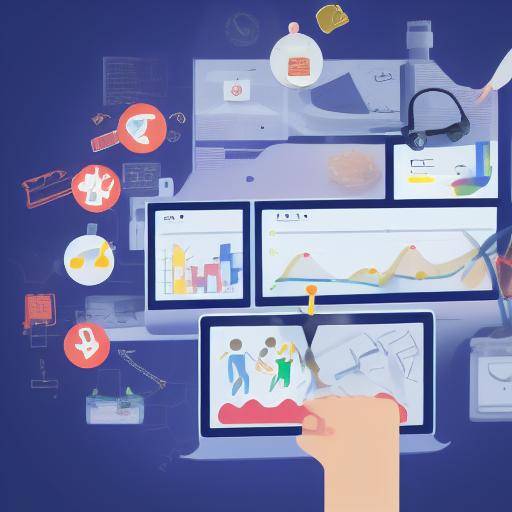
Chatbots are used in education for various applications, including technical support, academic guidance, training feedback and question- and answer-based interaction. Successful approaches range from integration into virtual classrooms to the creation of custom virtual assistants for students with specific needs.
Industry Perspectives and Expert Reviews
According to educational technology experts, chatbots have the potential to radically transform education by providing more equitable access to information, multiple evaluation tools and the opportunity to engage students in interactive and practical learning. However, it is essential to address ethical and privacy concerns to ensure responsible and beneficial use of this technology in educational settings.
Comparative analysis
Chatbots in education converge with innovative strategies to boost meaningful, adaptive and student-centred learning. Through the detailed comparison of different approaches and specific cases, we can identify potential similarities, differences and synergies that enrich the educational experience.
Practical Tips and Accessible Recommendations
Effective Integration of Chatbots in Educational Environments
- It clearly defines the educational goals that the chatbot must meet.
- Select an appropriate chatbot platform that aligns with the needs and resources available.
- It provides training to educators and students on how to interact with chatbot effectively.
- It continuously evaluates the performance and receipt of the chatbot to make relevant adjustments and improvements.
Conclusions and FAQs
ConclusionPersuasive Desert and Final Recommendations
In conclusion, chatbots have the power to revolutionize education by offering personalized support, immediate access to information and friendly interaction for students. However, their successful implementation in educational settings requires careful planning and consideration of the specific needs of students and educators. As we continue to explore the boundaries of technology in education, chatbots promise to play a significant role in the future of learning.
Make the most of this opportunity to effectively integrate chatbots into education and observe how they enrich the learning experience for students of various ages and educational levels.
Frequently asked questions
- What are the main advantages of using chatbots in education?
The main benefits include the 24/7 availability of answers to common questions, the customization of learning and immediate feedback, which enhances the student's experience and encourages engagement. - How can I evaluate the effectiveness of an educational chatbot?
You can evaluate the effectiveness of chatbot by observing the interaction of students, by collecting feedback on utility and satisfaction, and by monitoring the impact on academic results and the student's commitment. - What privacy considerations should be taken into account when implementing chatbots in educational settings?
It is crucial to ensure that students' data are protected and comply with the relevant privacy regulations. Transparency in data collection and use is critical. - What effective strategies can be used to train educators about the use of chatbots in the classroom?
Training should include practical demonstrations, opportunities to practice chatbot use and guidance on how to integrate technology into the existing curriculum. - What is the role of chatbots in distance or online education?
Chatbots play a key role in providing continuous support to students, answering common questions and offering personalized guidance, which improves learning experience in virtual environments. - How can chatbots adapt to different styles and learning rhythms?
Using artificial intelligence algorithms and automatic learning, chatbots can be programmed to adapt to student learning preferences, providing a personalized and flexible experience.
In short, chatbots in education represent an exciting opportunity to improve student participation, provide personalized support and enrich the educational process. By understanding their applications, challenges and benefits, we can make the most of their potential to transform learning.