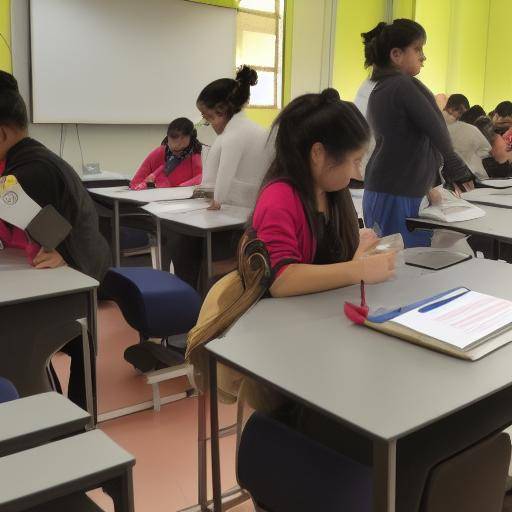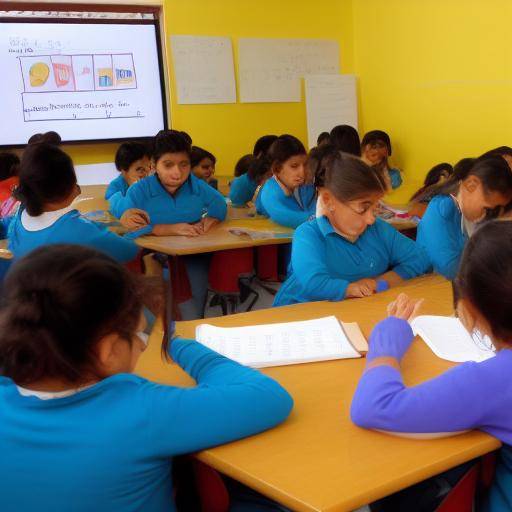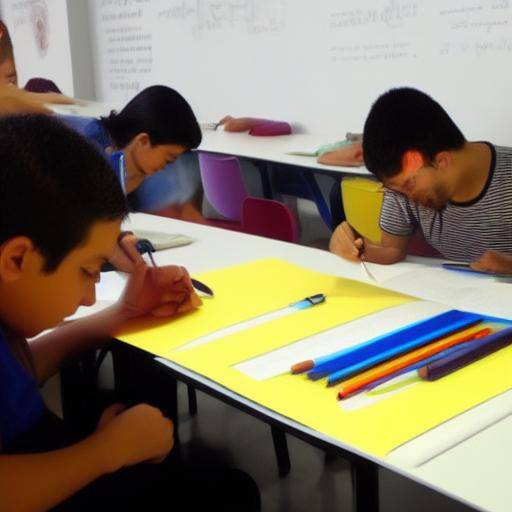
The promotion of diversity in the classroom is a topic of great relevance in current education. The reality of modern classrooms is that they are composed of students with different cultures, origins, abilities, and life experiences. This diversity represents an invaluable wealth, but it also poses challenges and opportunities for educators. In this article, we will explore in detail how to promote diversity in the classroom, the benefits of inclusive education, strategies to promote equity and diversity, as well as future trends in this area.
Introduction
The promotion of diversity in the classroom is critical to creating educational environments that are inclusive, equitable and enriching for all. As society evolves, values of respect, tolerance and understanding become fundamental pillars of education. In this context, the promotion of diversity in classrooms becomes a priority to ensure that all students have the opportunity to reach their full potential. In this article, we will address this crucial issue from a holistic perspective, exploring its foundations, challenges and possibilities, with the objective of providing valuable information for educators, parents and students interested in this topic.
History and Background
Origins and Evolution
The promotion of diversity in the classroom is rooted in the struggle for educational equity and civil rights. Throughout history, different social movements have led to the inclusion of various ethnic, cultural and gender groups in the educational system. Since inclusive education in the 1960s to current policies of diversity and equity, there has been a significant change in how diversity is conceived and promoted in the classroom.
Significant Milestones and Developments
This evolution has been marked by significant milestones, such as the enactment of laws and educational policies that promote diversity, as well as the emergence of educational approaches focused on equal opportunities for all students. In addition, globalization and technological advancement have contributed to the growing cultural and linguistic diversity in classrooms, resulting in the need for inclusive and culturally sensitive educational strategies.
Analysis in Deep
Promoting diversity in the classroom entails a number of challenges and opportunities. On the one hand, diversity enriches learning by exposing students to different perspectives and experiences. However, it also poses challenges, such as equity in access to educational resources and opportunities. Understanding these dynamics and developing effective strategies to address them is critical to promoting an equitable and enriching educational environment for all.
Comprehensive analysis
Promoting diversity in the classroom provides a wide range of benefits. It is shown that a diverse educational environment promotes critical thinking, empathy, and the ability to collaborate with people of different origins. In addition, it prepares students for the real world, where diversity is the norm. However, it also poses challenges, such as ensuring equal opportunities and promoting inclusion. At present, educators must be prepared to address these challenges and take advantage of the opportunities offered by diversity in the classroom.
Comprehensive review
Applications and Best Practices
The promotion of diversity in the classroom is realized through inclusive pedagogical approaches, cultural awareness programmes and the promotion of equity. Best practices include the design of curricula that incorporate diverse perspectives, the implementation of diversity-sensitive teaching strategies, and collaboration with parents and the community to create an inclusive learning environment. These policies are supported by successful research and experiences in educational institutions around the world.
Future Perspectives and Trends
Promoting diversity in the classroom will remain a relevant topic in the future. As society continues to diversify, the capacity of educators to promote an inclusive and equitable environment will be critical. New trends and approaches are expected to emerge, such as the integration of educational technologies to support diversity, the development of teacher training programmes focused on diversity, and the implementation of policies that promote inclusion and equity in education.
Comparative analysis
The promotion of diversity in the classroom is closely related to inclusive education and the learning environment. These concepts are intertwined to promote equitable access to education and adequate support for all students. Meanwhile, the classroom, as a physical and social space where the educational process takes place, plays a crucial role in promoting diversity and inclusion. Analyzing these concepts in an integral way allows you to better understand their interrelationship and their implications in the educational environment.
Practical Tips and Accessible Recommendations
Promoting diversity in the classroom can be enhanced through the implementation of specific practices. It is recommended to foster a climate of respect and acceptance, to promote active participation and the inclusion of various perspectives in the educational process, as well as to establish an open dialogue on diversity issues. In addition, the development of pedagogical strategies that address diversity in a comprehensive manner and collaboration with the educational community are essential to promoting an equitable and enriching educational environment.
Industry Information and Expert Reviews
The promotion of diversity in the classroom is an issue that has received attention from experts in the field of education. These views reflect the importance of promoting diversity as a key element for meaningful learning. They also emphasize the need to develop effective strategies to address the challenges associated with classroom diversity and highlight the benefits that this entails for all students.
Case Studies and Practical Applications
Case studies that illustrate the promotion of diversity in the classroom provide concrete examples of how effective strategies are implemented and how they impact student learning. These cases provide valuable information on successful practices, past challenges and lessons learned. They also show how the promotion of diversity in the classroom contributes to the integral formation of students and the construction of a more inclusive society.
Future Trends and Predictions
Promoting diversity in the classroom is a dynamic theme that will continue to evolve in the future. New trends are expected to emerge, such as the use of emerging technologies to support classroom diversity, the adaptation of educational programmes and resources to effectively address the needs of diverse students, and the implementation of educational policies that promote an inclusive and equitable environment. These trends will impact educational practice and the formation of future citizens.
Conclusion
In conclusion, the promotion of diversity in the classroom is a key component of quality, equitable and inclusive education. This approach not only enriches the learning of students, but also promotes understanding, respect and collaboration among individuals of different origins. Recognizing the importance of diversity in the classroom and working actively to promote it, society can build a future in which diversity is valued and celebrated in all aspects of life.
Frequently asked questions
Why is it important to promote diversity in the classroom?
Promoting diversity in the classroom is important because it provides an opportunity to create a learning environment in which individual differences are respected and valued. This not only enriches the educational experience of students, but also prepares future generations to live in a diverse and multicultural society.
What are the benefits of fostering diversity in the classroom?
Promoting diversity in the classroom promotes critical thinking, empathy, problem solving and collaboration. In addition, it prepares students to interact effectively in diverse working and social environments.
What challenges does it entail to foster diversity in the classroom?
In fostering diversity in the classroom, educators can face challenges related to equal access to educational resources, the management of intercultural conflicts and the adaptation of teaching methods to meet the needs of a diverse student population.
How can educators promote diversity in the classroom?
Educators can promote diversity in the classroom by integrating multicultural content into the curriculum, promoting respect and inclusion, and adopting diversity-sensitive teaching approaches. In addition, collaboration with parents and the community can strengthen support for diversity in the educational environment.
What role does diversity play in the classroom in the integral training of students?
Diversity in the classroom plays a key role in the integral formation of students, as it gives them the opportunity to develop communication, critical thinking, empathy and adaptation skills to different environments. In addition, it allows them to understand and value diversity as an asset in society.
How can students contribute to the promotion of diversity in the classroom?
Students can contribute to the promotion of diversity in the classroom by showing respect for their peers, actively participating in activities that celebrate cultural diversity and expressing their appreciation for individual differences. Open dialogue and collaboration among students are also essential for promoting an inclusive and equitable environment.
These are just some of the key aspects of promoting diversity in the classroom. As society moves towards an increasingly diverse future, it is crucial that the educational system reflect and promote this diversity to ensure equitable and enriching education for all.