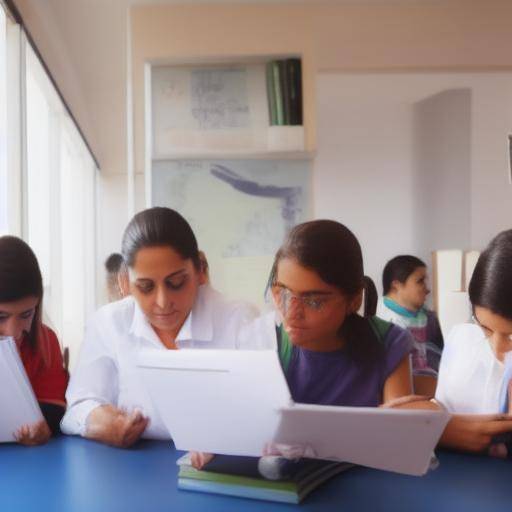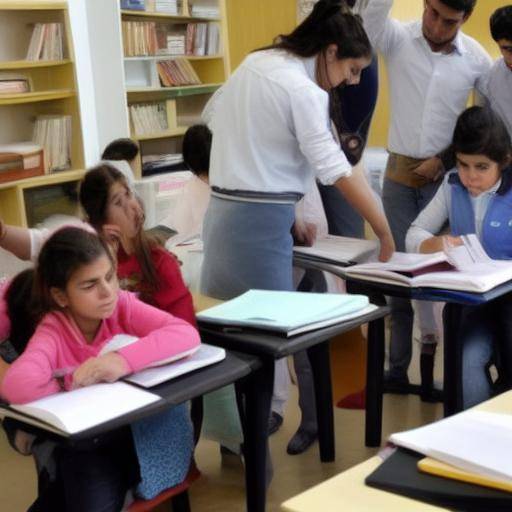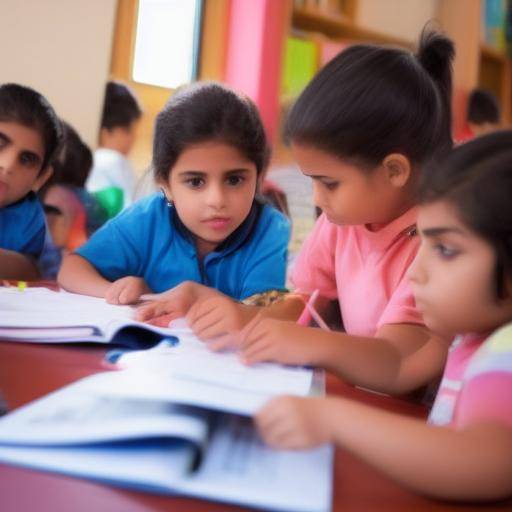
Education on sustainable consumption is currently critical, as it provides people with the knowledge necessary to make informed and responsible decisions regarding consumption. In this article, we will explore key strategies to promote education on sustainable consumption, from its history and background to practical advice and predictions on future trends. Throughout the text, various aspects of education, sustainable consumption and associated strategies will be addressed, providing valuable information for those who wish to understand the subject in depth and for those interested in implementing concrete changes in their communities and working environments.
Introduction
The growing awareness of the negative impacts of demeditated consumption on the planet has led to the need to educate people about sustainable consumption. This education not only seeks to report on current problems, but also empower individuals and communities to make decisions that promote long-term sustainability.
History and Background
The concept of sustainable consumption is rooted in historical movements and changes in public perception of the environment and social responsibility. From the dawn of the Industrial Revolution to today, the world has undergone significant changes in the way we perceive and address consumption.
Throughout the twentieth century, several environmental and social crises revealed the need to rethink our consumption habits. Since the publication of the famous "The Limits of Growth" report in 1972 until the popularization of the term "sustainable development" in the 1980s, the awareness of the need to consume more responsibly began to take hold.
Today, the concept of sustainable consumption has been integrated in many areas, from policy to business, and education plays a crucial role in its promotion. The integration of sustainability into the study plans and the dissemination of information on sustainable practices are key elements for the formation of conscious and proactive citizens.
Deep analysis
Sustainable consumption presents a number of challenges and benefits that it is important to understand in order to develop effective education strategies. On the one hand, the adoption of sustainable practices can generate economic savings, reduce the ecological footprint and contribute to social welfare. However, there are cultural, economic and educational barriers that limit their implementation on a large scale.
In the context of education, it is crucial to address both the benefits and the challenges of sustainable consumption. Providing concrete data on the positive impacts of sustainable practices, as well as highlighting the challenges associated with their adoption, can provide a more comprehensive view of the topic and encourage informed understanding.
Comprehensive review
Promoting education on sustainable consumption requires the implementation of effective strategies involving various actors. Collaboration between educational institutions, government organizations, companies and civil society is essential to develop a comprehensive approach that encompasses awareness-raising to practical implementation.
Strategies for Education on Sustainable Consumption
Integration in the Educational Curriculum
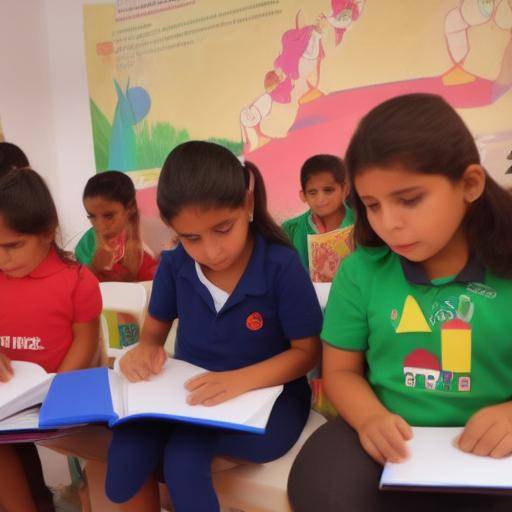
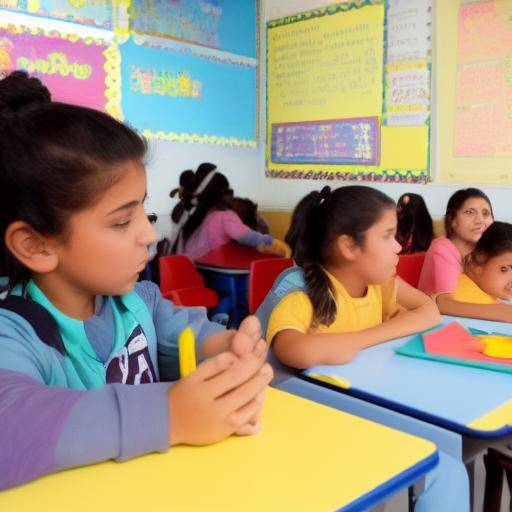
The inclusion of content related to sustainable consumption in the curricula is a key first step in promoting education in this area. Since the early stages of education, students must have access to up-to-date and relevant information that allows them to understand the concepts of sustainability and apply them in their daily lives.
Practical Experiences and Interdisciplinary Projects
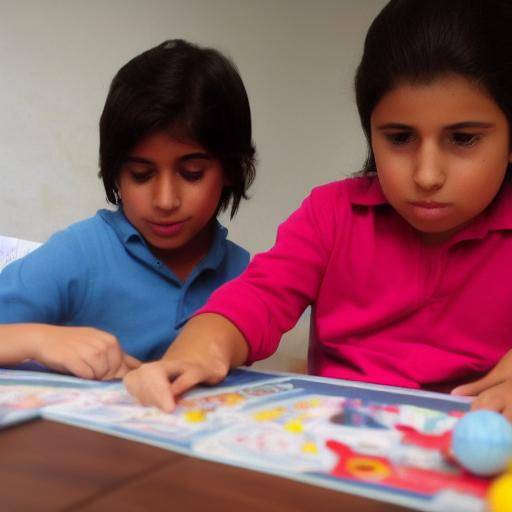
In addition to theory, it is important to provide students with concrete opportunities to implement the principles of sustainable consumption. The realization of interdisciplinary projects that address real problems related to consumption and sustainability can be an effective way of fostering critical thinking and problem solving, while sensitizing the importance of adopting sustainable practices in everyday life.
Strategic Alliances with Industry and Civil Society
Collaboration with businesses committed to sustainability and civil society organizations can enrich sustainable consumption education by providing concrete examples of good practices and real challenges in the implementation of sustainable measures. These partnerships can provide students with a broader view of consumer implications and promote a sense of responsibility towards sustainability.
Use of Digital Technologies and Resources
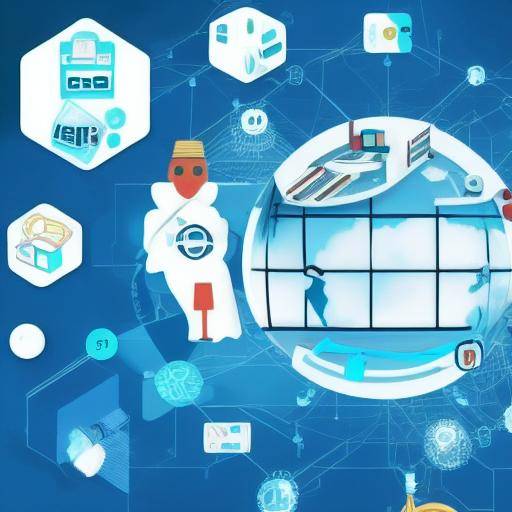
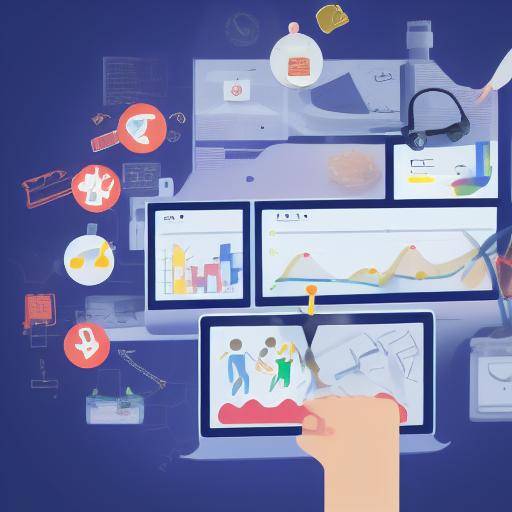
Integrating educational technologies and digital resources can be a powerful tool for disseminating information about sustainable consumption. Online platforms, mobile applications, educational videos and interactive simulations can facilitate practical learning and access to updated sustainability resources, reaching a wider and more diverse audience.
Multidisciplinary and Global Approach
Education on sustainable consumption should adopt a multidisciplinary approach that integrates knowledge from various areas, such as natural science, social science, economy, ethics and sustainable development. In addition, it is important to consider the global dimensions of sustainability, fostering a deep understanding of the local and global impacts of consumption.
Comparative analysis
Education, sustainable consumption and associated strategies are interconnected in various ways, and their comparative analysis can shed light on the synergies and challenges inherent in their integration. While education is critical to promoting sustainable consumption, the implementation of effective strategies requires considering the complexities of educational systems, the ingrained consumption habits and economic constraints.
Practical Tips and Accessible Tips
To promote sustainable consumption education strategies, it is important to provide practical advice and concrete actions that individuals, educational institutions and organizations can implement in their environment. Some recommendations include:
- Prioritizing education on sustainable consumption in educational and political decision-making
- Promoting active community participation in sustainable projects
- Incorporate innovative and updated sustainability training materials
- Seek strategic alliances with organizations committed to sustainability
Conclusions and FAQs
Conclusions
In conclusion, education on sustainable consumption is a crucial element in the transition to a more sustainable and equitable development model. The integration of effective strategies, collaboration between different actors and the promotion of a deep understanding of sustainability are fundamental steps to promote meaningful change in society.
Frequently asked questions
1. Why is education on sustainable consumption important?
Sustainable consumption education is important because it allows people to understand the impacts of their consumption decisions and to adopt responsible practices that promote environmental, social and economic sustainability.
2. What is the role of educational institutions in promoting education on sustainable consumption?
Educational institutions play a key role in integrating sustainable consumption content into their curricula, fostering practical experiences and building partnerships with key actors in the area of sustainability.
3. How can companies contribute to sustainable consumption education?
Businesses can contribute to sustainable consumption education by implementing sustainable practices in their operations, collaborating with educational institutions and disseminating good practices within their communities.
4. What are the most common challenges in promoting sustainable consumption education?
Some common challenges include lack of awareness of sustainability, resistance to change, economic constraints and the need to adapt educational approaches to local realities.
5. What role does technology play in sustainable consumption education?
Technology can play a key role in facilitating access to up-to-date information, interactive digital resources and collaborative platforms that enrich sustainable consumption education.
6. What are future trends in sustainable consumption education?
Future trends in sustainable consumption education are expected to include a greater focus on multidisciplinary integration, the use of innovative educational technologies and the promotion of strategic partnerships across sectors.
We hope that this article has provided valuable information on sustainable consumption education and its strategies, while responding to common questions on the subject!