
Introduction
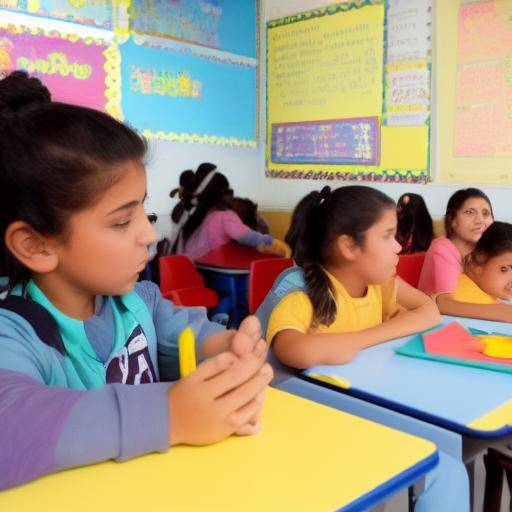
The theatre has been used as an educational tool for centuries, allowing students to explore and understand a variety of subjects in a unique and participatory way. In this article, we will explore strategies for the use of theatre in education, from its history and benefits to its application in contemporary educational settings. We will discover how theatre can enrich the learning experience of students and foster greater commitment to educational material.
History and Background
Theatre has played a key role in education throughout history, serving as a platform for transmitting cultural knowledge, values and traditions. From ancient Greek theatres to theatrical performances in modern schools, theatre has evolved and diversified its forms and purposes.
Educational theatre has experienced significant progress over time, adapting to the changing needs and expectations of educators and students. Over the centuries, it has become a powerful tool to promote empathy, social awareness and critical thinking among students.
Comprehensive analysis
The use of theatre in education offers many benefits, including the development of communication skills, creativity, collaboration and problem solving. In addition, theatre provides students with the opportunity to experience different perspectives and realities, promoting empathy and intercultural understanding.
However, the use of theatre in education entails challenges, such as the need for adequate infrastructure, the training of specialized teachers and the adaptation of pedagogical approaches. It is essential to address these challenges to ensure that theatre meets its potential as an effective and accessible educational tool.
Comparative review
Compared to other educational approaches, theatre stands out in its ability to engage students in a holistic way. By fostering creative expression and self-expression, theatre offers a unique learning experience that complements and enriches traditional educational methods.
Practical Tips and Accessible Tips
To effectively integrate theatre into educational settings, educators can follow a number of practical strategies. These include the incorporation of theatrical games, the creation of action projects based on the curriculum and the collaboration with actors and professional directors to enrich the students' theatrical experience.
Industry Perspectives and Expert Reviews
Educational and theatre experts agree that the use of theatre in educational contexts can transform the learning experience of students, stimulating their imagination, fostering empathy and promoting important skills for success in the 21st century.
Case Studies and Real Life Applications
Several case studies illustrate how theatre has been successfully implemented in educational settings, providing students with the opportunity to explore complex issues and develop crucial skills through theatrical performances and performance projects.
Future Trends and Predictions
As education continues to evolve, theatre is expected to play an increasingly significant role in the integral development of students. Theatre, together with innovative strategies, is expected to continue to play a key role in enriching the educational process and promoting life-saving skills.
Conclusions
The use of theatre in education offers unique opportunities to enrich the learning experience of students, foster crucial skills and promote appreciation of performing arts. By implementing effective and adaptive strategies, educators can leverage the power of theatre to inspire, educate and empower future generations.
Frequently Asked Questions##
What are the benefits of using theatre in education?
The theatre in education offers significant benefits, including the development of communication skills, creativity, collaboration and problem solving. In addition, theatre promotes empathy, social awareness and critical thinking among students, promoting a deeper understanding of the world around them.
How can educators integrate the theatre into the classroom?
Educators can integrate theatre into the classroom through various strategies, such as the incorporation of theatrical games, the creation of action projects based on the curriculum and the collaboration with actors and professional directors to enrich the students' theatrical experience. By fostering creative expression and self-expression, theatre offers a unique learning experience that complements and enriches traditional educational methods.
What are the challenges associated with the use of theatre in education?
While theatre in education offers many benefits, it also entails challenges, such as the need for adequate infrastructure, the training of specialized teachers and the adaptation of pedagogical approaches. It is essential to address these challenges to ensure that theatre meets its potential as an effective and accessible educational tool.
How can theatre enrich the learning experience of students?
The theatre enriches the learning experience of students by offering them the opportunity to experience different perspectives and realities, promoting empathy and intercultural understanding. In addition, theatre stimulates imagination, promotes self-expression and promotes important skills for success in the twenty-first century, such as creativity, collaboration and critical thinking.
What is the role of theatre in the integral development of students?
Theatre plays a key role in the integral development of students by providing them with a platform to develop communication skills, creative expression, teamwork and problem solving. By participating in theatrical activities, students can cultivate self-confidence, promote empathy and strengthen their appreciation for performing arts.
What are future trends in the use of theatre in education?
Theatre is expected to play an increasingly significant role in the integral development of students, promoting life-saving skills and enriching the educational process. As education continues to evolve, theatre, together with innovative strategies, is expected to continue to play a key role in the inspiration, education and empowerment of future generations.
With this strategy guide for the use of theatre in education, educators can leverage the power of theatre to inspire, educate and empower future generations.