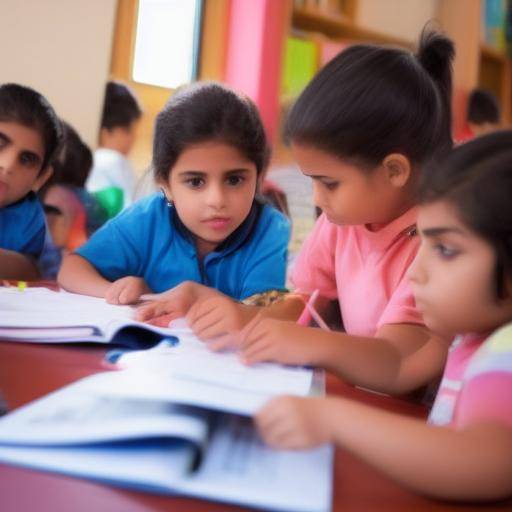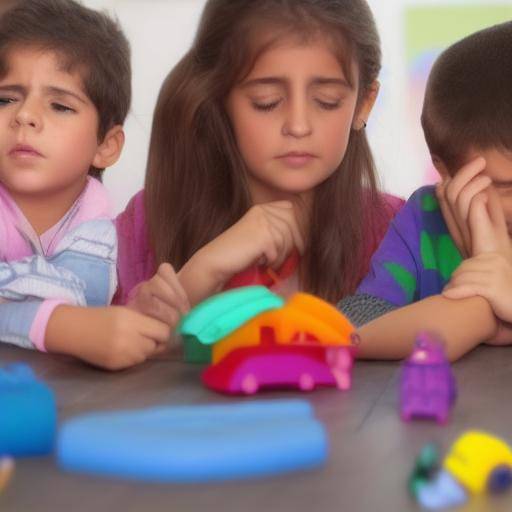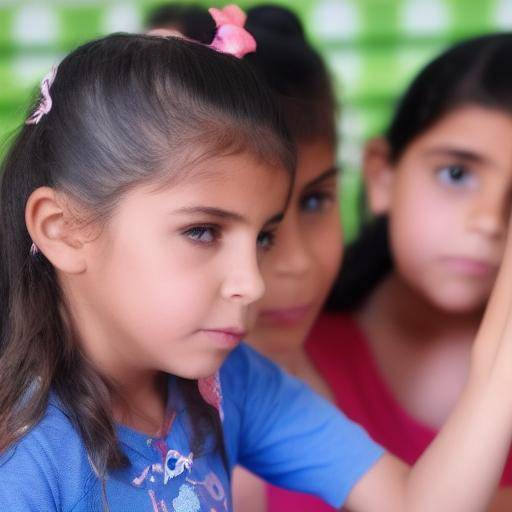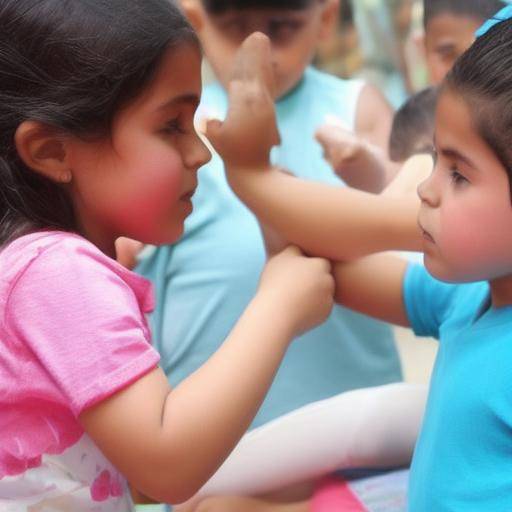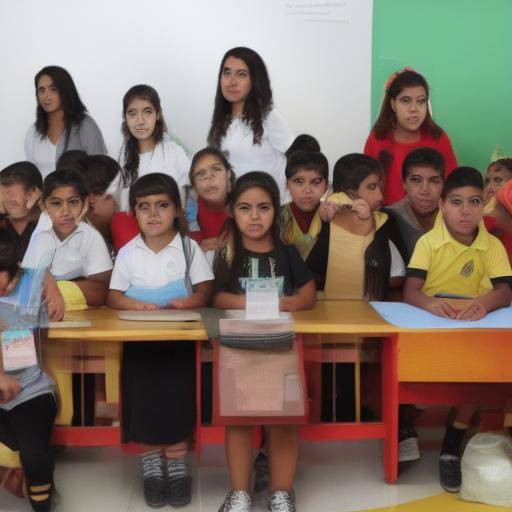
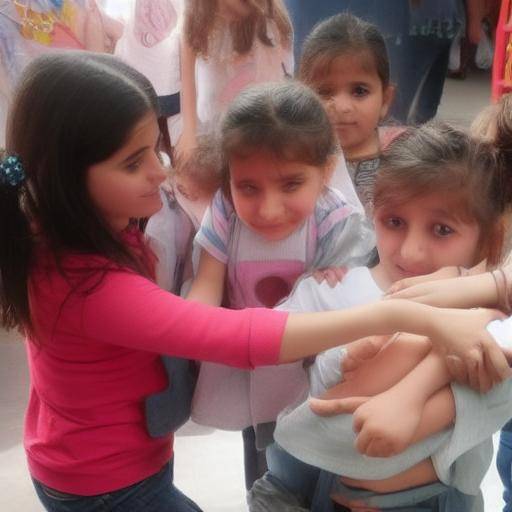
Teaching children to respect others is a fundamental pillar in their formation and development as responsible and empathetic individuals. Instilling values such as respect, tolerance and understanding from an early age not only contributes to the construction of a more harmonious society, but also moulds the personality of children, providing them with essential tools to unfold in a diverse and changing world. In this article, we will explore effective strategies to teach children to respect others, the importance of this educational process and how it translates into long-term benefits.
History and Background
To understand how to teach children to respect others, it is crucial to explore the historical background that has influenced the conception and evolution of this educational process. Since ancient times, the transmission of values has been a pillar in the upbringing of children. Ancient civilizations such as the Greek and the Romans attached great importance to moral and civic education, recognizing the need to form full and respectful citizens. Over time, different philosophical and educational flows have contributed to the understanding of respect and their teaching in childhood. The inclusion of concepts such as equality, diversity and non-discrimination has marked a milestone in the contemporary conception of respect, expanding its borders beyond the purely individual to respect the differences and particularities of each individual.
Deep analysis
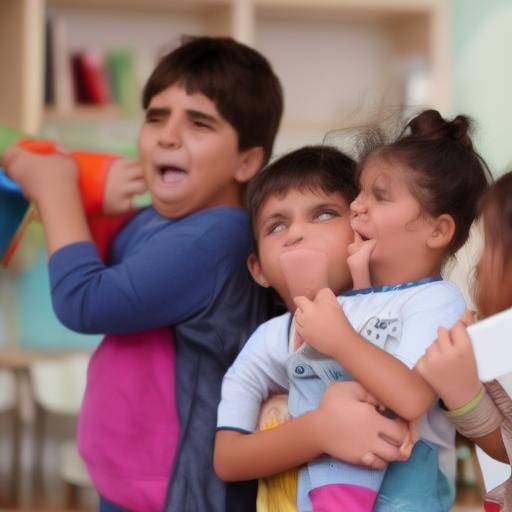
Teaching respect for others in childhood entails significant benefits both at the individual and social levels. According to studies conducted by child psychologists, children who internalize the value of respect tend to develop greater empathy, stronger social skills and a more collaborative attitude. This process also contributes to the prevention of bullying and child cruelty, laying the foundations for the construction of healthy and harmonious relationships. However, teaching respect for children can present challenges, given that understanding of this value goes beyond norms and standards, requiring emotional and reflective integration by children.
Comprehensive review
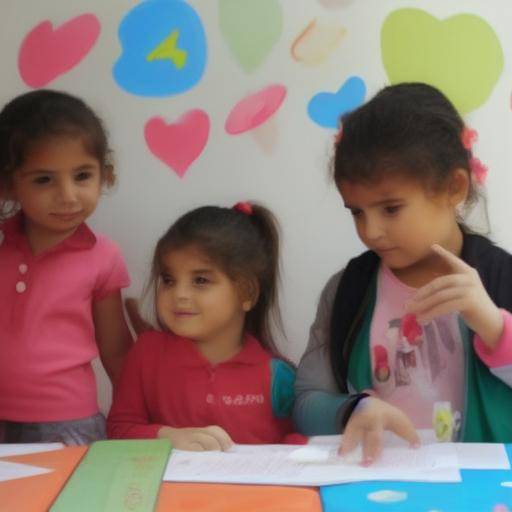
The implementation of effective strategies to teach children to respect others has been the subject of numerous educational studies and approaches. From the implementation of school programmes that promote diversity and respect, to the integration of playful activities that promote empathy and understanding, the possibilities of generating respectful and tolerant education are wide. However, it is important to consider the challenges that arise in teaching respect in diverse cultural contexts, as well as strategies to involve parents and the community in this educational process.
Comparative analysis
The teaching of respect is intertwined with other fundamental values in the formation of children, such as empathy, solidarity and justice. It is important to analyze how these aspects are complemented in the education of children, as well as their implications for building a more equitable and just society. In turn, the approach in the teaching of respect can vary according to the stage of child development, it is necessary to adapt strategies and methodologies to the needs and capacities of each age group.
Practical Tips and Actions
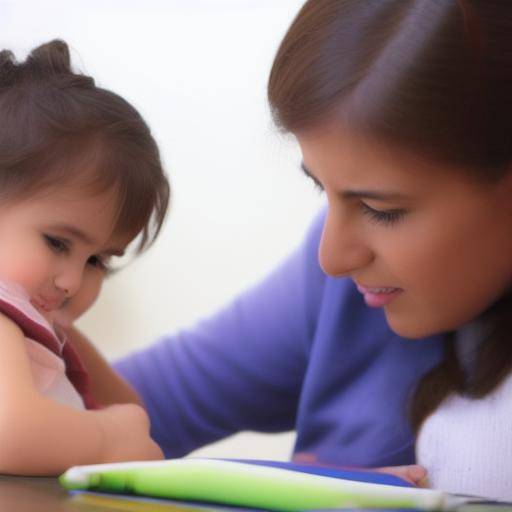
To teach children to respect others, it is essential to adopt a comprehensive approach that encompasses both the educational and the family and the social sphere. Some effective strategies include the modelling of adult-friendly behaviours, the promotion of diversity and respect for differences, as well as the continuation of peaceful conflict resolution. In addition, the use of teaching materials and literature that address issues related to respect and inclusion is a powerful tool in this educational process.
Perceptions of Industry and Expert Reviews
Professionals of pedagogy, child psychology and education have provided valuable insights into the teaching of respect for children. Their views and experiences in the implementation of effective strategies offer a comprehensive vision of the challenges and benefits surrounding this educational process. In addition, its contribution helps to clarify best practices and offer new approaches to implement in different educational contexts.
Case Studies and Real Life Applications
Analyzing real cases where strategies have been applied to teach children to respect others provides a concrete perspective on the results and challenges that may arise. These practical examples show the effectiveness of various initiatives and offer valuable lessons on the successful implementation of educational programmes focused on promoting respect and tolerance.
Future Trends and Predictions
The educational environment will continue to evolve in its approach to values training, including respect for others. Based on current trends and perspectives of experts, it is possible to anticipate significant changes in pedagogical methodologies, as well as the integration of education into values in the school curriculum.
Conclusions and FAQs
Conclusions
Teaching children to respect others is a fundamental process in the formation of full and empathic citizens. Providing effective tools and strategies to address this educational challenge contributes to the development of future generations capable of living together in harmony and mutual respect.
Frequently asked questions
What is the importance of teaching children to respect others from an early age?
Teaching the value of respect from childhood is fundamental, as it lays the foundation for harmonious relations and helps prevent aggressive and intolerant behaviors in adult life.
How can cultural differences be addressed by teaching respect for children?
It is crucial to promote understanding, empathy and recognition of cultural diversity, integrating inclusive approaches in educational strategies.
What role do parents play in teaching respect for children?
Parents have a fundamental role as models to follow, transmitting values of respect and fostering empathy and tolerance at home.
How can we encourage respect in the school environment?
The establishment of clear norms, educational programmes that promote diversity and inclusion, as well as the peaceful resolution of conflicts, are effective strategies to promote respect in the school environment.
What are the consequences of disrespect in childhood?
Lack of respect in childhood may result in aggressive behaviour, difficulties in social relations and the perpetuation of violent behaviour in adult life.
How to address situations where children do not show respect for others?
It is essential to provide guidance, establish clear limits and promote reflection on the consequences of disrespect, fostering responsibility and understanding of the impact of actions.
In short, the teaching of respect for children is a complex but essential process in their comprehensive training. The integration of effective strategies, the involvement of the educational community and the promotion of early-age empathy and tolerance contribute to the creation of an environment where mutual respect is the fundamental pillar for peaceful and enriching coexistence.