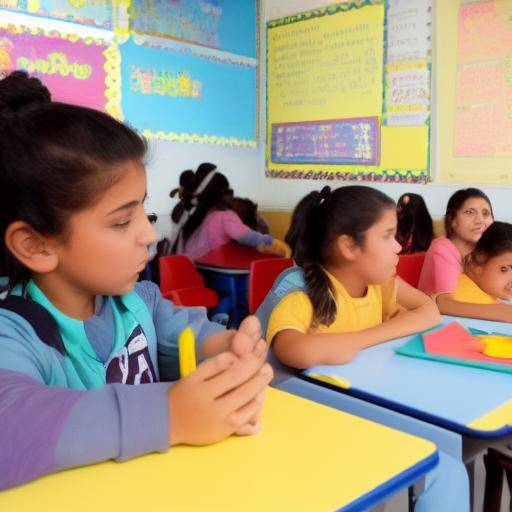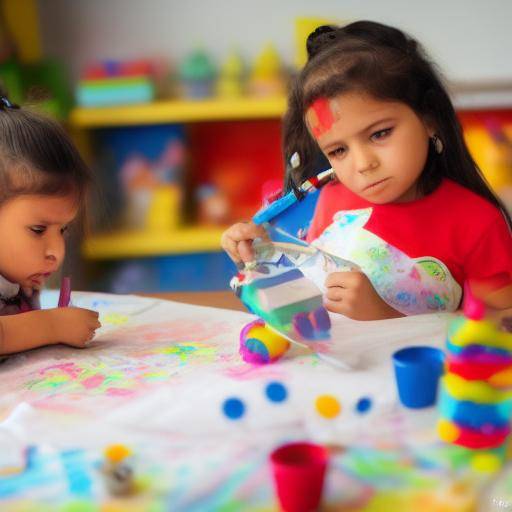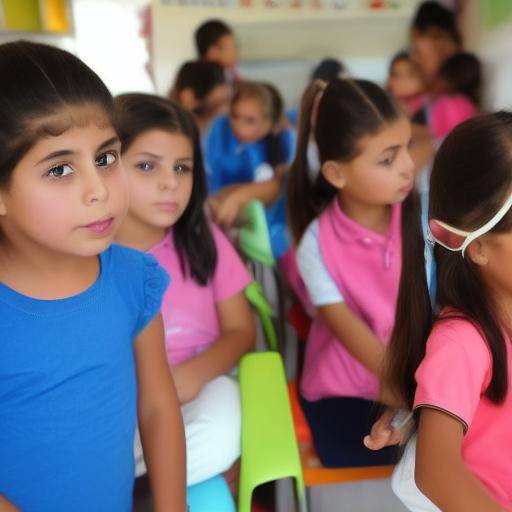
Social inclusion in the school sector is a topic of great relevance in the current society. Promoting inclusion in schools is a shared responsibility, and its impact goes beyond classrooms, influencing the integral formation of future generations. In this article, we will explore strategies to promote social inclusion in school, its history, benefits, challenges, practical applications, and future trends. We will also offer practical advice, industry experts ideas, case studies, and future predictions.
Introduction
Social inclusion in the school environment refers to the creation of environments that promote the equal participation of all students, regardless of their differences of origin, culture, gender, skills or disabilities. The school thus becomes a reflection of society, offering equal opportunities for learning, personal growth, and positive interaction among its members. Overcoming barriers and eliminating exclusion is essential for the development of a more just and equitable society.
History and Background
The history of social inclusion in school has its roots in civil rights movements and equal opportunities. It emerged as a response to the discrimination and systematic exclusion of certain groups of students in the educational field. In the 1960s, the struggle for civil rights in the United States led to the integration of racial minorities into schools, laying the foundation for inclusive education.
During the twentieth century, the international community committed to ensuring education for all through initiatives such as the Salamanca Declaration in 1994, which promoted inclusive education as a means of achieving a more just society. This statement advocated an education that would meet the needs of each child, regardless of their personal and social conditions.
Detailed Analysis
Benefits of Social Inclusion
Social inclusion in school entails many benefits, both for students and for society as a whole. It promotes respect for diversity, empathy and acceptance of differences. Students benefit from interaction with people of different backgrounds and abilities, which encourages the development of social skills and mutual understanding. In addition, inclusion improves the academic performance and self-esteem of students by feeling valued by those around them.
Current Challenges and Trends
Despite the obvious benefits, the implementation of social inclusion in school is not without challenges. Lack of resources, resistance to change, and the need for teacher training are just some of the obstacles to overcome. Current trends point to a more holistic approach, which considers not only the special educational needs, but also the cultural, linguistic, and gender differences present in the classrooms.
Exhaustive examination
Practical Applications
The promotion of social inclusion in school is realized through various strategies, ranging from the adaptation of teaching methods to the implementation of mentoring programmes and the creation of inclusive spaces. It is essential to encourage the active participation of all members of the educational community, including parents, teachers, and students, in building an environment that celebrates diversity.
Practical Tips and Actions
Some key practices to foster social inclusion at school include promoting empathy through educational activities, implementing an inclusive curriculum that reflects cultural and social diversity, and establishing zero-tolerance policies for discriminatory behaviours. Training in intercultural competition for teachers and the creation of safe and welcoming spaces for all students are also fundamental.
Conclusion
Social inclusion in school is a fundamental pillar for building a more just and equitable society. In promoting equal opportunities and respect for diversity, educational experience is not only enriched, but the basis for a more inclusive and compassionate future is laid. Collaboration among all the actors involved in the school sector is crucial to the success of these initiatives, and it is the responsibility of all to work towards inclusion.
Frequently asked questions
What is social inclusion in school?
Social inclusion in school refers to the creation of environments that promote the equal participation of all students, regardless of their differences of origin, culture, gender, skills or disabilities.
What are the benefits of fostering social inclusion in school?
Benefits include promoting respect for diversity, empathy, acceptance of differences, development of social skills, improvement of academic performance, and strengthening student self-esteem.
What are the challenges to fostering social inclusion in school?
Some challenges include lack of resources, resistance to change, the need for teacher training, and the adaptation of teaching methods to meet the needs of cultural, linguistic and gender diversity.
What are some practical strategies to promote social inclusion in school?
Some key strategies include promoting empathy through educational activities, implementing an inclusive curriculum that reflects cultural and social diversity, establishing zero-tolerance policies against discriminatory behaviours, among others.
Why is it important to promote social inclusion in school?
Promoting social inclusion in school is important because it promotes equity, respect for diversity, the development of social skills, and the strengthening of academic performance and self-esteem of students.
What are the current trends related to social inclusion in school?
Current trends point to a more holistic approach, which considers not only the special educational needs, but also the cultural, linguistic, and gender differences present in the classrooms.
In conclusion, fostering social inclusion in school is a fundamental pillar for building a more just and equitable society. In promoting equal opportunities and respect for diversity, educational experience is not only enriched, but the basis for a more inclusive and compassionate future is laid. Collaboration among all the actors involved in the school sector is crucial to the success of these initiatives, and it is the responsibility of all to work towards inclusion.