Introduction
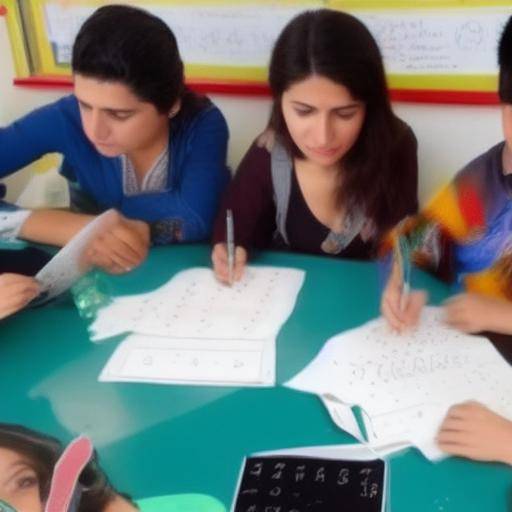
When it comes to educating children, it is essential to inculcate the value of work from an early age. In a world where instant gratification and comfort often eclipse the importance of effort and perseverance, teaching children about the value of work becomes a crucial task. In this article, we will explore effective strategies to teach children about the true meaning of work, how to inculcate the sense of responsibility and commitment, and how to prepare them to face the challenges of the working world in the future.
History and Background
To understand the importance of teaching children about the value of work, it is essential to consider the historical background that has shaped the perception of work over time. From ancient civilizations where manual work was predominantly valued to the industrial revolution that drastically transformed the human relationship with work, history provides us with a rich context to understand how the concept of work has evolved over the centuries.
Throughout history, the value of work has been recognized as a fundamental pillar of society, since it not only provides livelihoods, but also fosters self-government and self-realization. However, as society has undergone constant changes, the perception of work has evolved, and with it, the way children are taught about their value.
At present, globalization, technology and changes in the labour structure have generated new perspectives on work, which in turn has impacted on how children perceive and understand their future role in the world of work.
Deep analysis
In addressing the value of work to children, it is crucial to understand the challenges and opportunities they face in today ' s society. The digital era has redefined the nature of work, creating both advantages and challenges for younger generations. As the labour market continues to evolve, the ability to adapt, learn new skills and assume responsibilities becomes critical to preparing children to successfully face future challenges.
The benefits of teaching children about the value of work go beyond the purely economic sphere. Instilling the sense of responsibility, working ethics and perseverance from childhood promotes not only financial independence, but also personal development and emotional growth. Challenges, failures and work-related achievements help to build the resilience of children by preparing them to overcome obstacles throughout their lives.
Deep analysis also involves examining current trends in education and labour practices, as well as exploring different perspectives on how to teach children the value of work in an increasingly competitive and constantly changing world.
Exhaustive examination
In undertaking the task of teaching children about the value of work, it is essential to explore the specific applications of this teaching in the daily lives of children. Cases of study and best practices should be offered to illustrate how parents, teachers and society at large can effectively inculcate this value. In addition, it is essential to analyze the different teaching methodologies and approaches that can be used to convey this message clearly and significantly.
A thorough review also involves considering the long-term implications of inculcating the value of child labour. How does this impact on the future decision-making of children? How do you shape your perception of success and self-realization? By fully understanding these implications, we can design more effective educational strategies to prepare children for their future work and personal.
Comparative analysis
By comparing and contrasting the different perspectives on teaching the value of work to children, it is possible to identify similarities, differences and synergies. Understanding how different cultures address this crucial aspect of child development gives us a broader and more enriching view of the strategies that can be used to maximize the positive impact on children's lives.
In addition, it is important to highlight how the teaching of the value of work relates to other fundamental aspects of child development, such as self-esteem, responsibility and empathy. In conducting a comprehensive comparative analysis, we can identify areas of opportunity to integrate the teaching of the value of work with other relevant aspects of the growth and development of children.
Practical Tips and Actions
In addressing the practice of teaching children about the value of work, it is crucial to offer practical advice and implementable actions that parents, educators and community members can use on a daily basis. These tips may vary from home assignment of tasks and responsibilities to exposure to models to continue to exemplify the fruits of hard work and dedication. In addition, providing clear guidelines on how to effectively communicate and strengthen these values in everyday life will contribute to a stronger understanding by children.
It is essential to provide step-by-step guides, concrete examples and practical exercises to enable parents and educators to implement these teaching strategies in a simple and effective manner. By offering tangible and applicable resources, this article seeks to empower readers with the tools necessary to promote the value of work in children in a meaningful and lasting way.
Industry Perspectives and Expert Reviews
In order to enrich the discussion on the teaching of the value of work to children, it is essential to collect and present expert opinions in the field of education, child psychology and socio-emotional development. By integrating the perspectives of industry and the opinions of experts, this article seeks to contextualize and enrich the proposed strategies with a solid basis of expertise.
In addition, in deepening the trends and forecasts of the industry related to education and the world of work, readers are offered a global vision of the current needs and challenges in the formation of future generations of workers. This section of the article seeks to inspire readers to consider multiple perspectives and approaches based on evidence and expertise.
Case Studies and Practical Applications in Real Life
Case studies that illustrate the practical application of the teaching of the value of work in real environments offer a concrete view of the results and learnings that arise from these experiences. In presenting real cases of children who have internalized the value of work and prospered as a result, readers are given a deeper understanding of how these strategies can positively impact the development and life of children.
In analyzing practical applications in different contexts, from classroom to home and community, the versatility and universality of fundamental principles underlying the teaching of the value of work will be highlighted. In addition, by exploring the lessons learned and challenges faced in these case studies, a more holistic and meaningful understanding of the processes and results associated with this form of teaching is promoted.
Future Trends and Predictions
Finally, in considering future trends related to the teaching of the value of work to children, it is possible to shed light on the opportunities and challenges ahead in the horizon. With the rapid evolution of technology, changes in the labour market and the changing demands of society, it is essential to anticipate how these forces will shape the way we educate children about the value of work in the future.
By offering informed predictions on how educational practices and work-related concepts will evolve in the coming years, this article seeks to prepare readers to deal with changes that will inevitably impact on how children understand and experience the world of work. In discussing future trends, it will seek to inspire readers to develop innovative and adaptive strategies that prepare children to succeed in a constantly evolving working environment.
Conclusions
In short, teaching children about the value of work is a vital investment in their future development and well-being. From a historical and theoretical understanding to practical applications and future trends, this article has presented an integral and enriching view of how to address this crucial aspect of education. By incorporating different perspectives, expert opinions, case studies and practical advice, it has been sought to provide readers with the tools and knowledge necessary to enrich the lives of children through teaching the value of work.
Ultimately, the education of children on the value of work not only brings benefits at the individual level, but also contributes to the creation of a society that is more responsible, resilient and committed to progress. By empowering future generations with a strong sense of labour ethics and responsibility, we are planting seeds of global change and sustainable development.
Frequently asked questions
How old can you start teaching children about the value of work?
Teaching the value of work can begin from an early age, through simple tasks and responsibilities consistent with its ability. As children grow up, more complex concepts related to work and commitment can be introduced.
How can I teach my son about the value of work in a world dominated by instant gratification?
It is important to foster patience and perseverance by assigning tasks that require effort and dedication. In addition, modeling laborious behaviors and strengthening the achievements achieved through the effort will help to counter the culture of instant gratification.
What are some practical activities I can implement to teach children about the value of work?
The allocation of domestic tasks according to the age of the child, the promotion of responsibility in the care of pets or plants, and the exposure to models to follow that exemplify the value of the work are effective practical activities.
What is the role of school in teaching the value of work to children?
School plays a key role in strengthening the principles of responsibility, timeliness, effort and collaboration. Practical projects, promotion of teamwork and vocational guidance are relevant aspects in the teaching of the value of work.
How can I teach children about perseverance and overcoming work-related challenges?
The praise for effort and determination, the recognition of achievements made through hard work, and the narration of stories of overcoming and success can be effective strategies to inculcate the importance of perseverance.
How can I connect the teaching of the value of work with other areas of child development?
Labour ethics, responsibility and perseverance are intrinsically connected with the development of character, self-esteem, empathy and decision-making. In fostering the value of work, comprehensive child development is also promoted.
Ultimately, teaching the value of work to children not only has the potential to shape their future professional success, but also contributes to their personal development and the creation of a more committed and resilient society. By incorporating the strategies and concepts presented in this article, parents, educators and community members can play a key role in the development of the next generation of workers responsible and committed to social and economic progress.