Introduction
Trouble solving is a crucial skill in all aspects of life, from academic to professional. When it comes to teaching this skill, case studies are a valuable tool. In this article, we will explore in detail how to effectively use case studies to teach problem solving. From its history and evolution to its practical application and analysis of future trends, let us immerse ourselves in the fascinating world of case studies and teaching problem solving skills.
History and Background
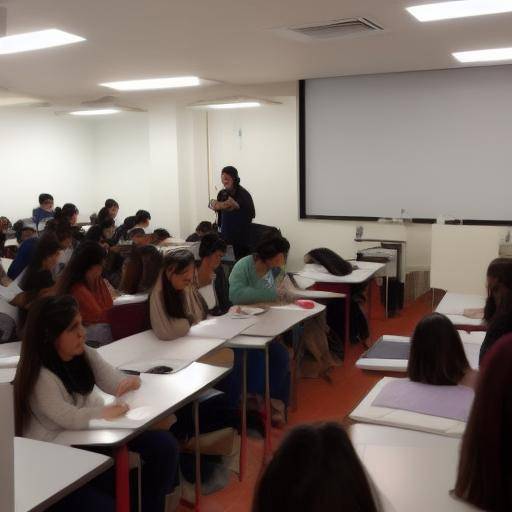
Case studies have their roots in the nineteenth century, when they began to be used in education to provide students with a practical vision of complex situations. Over time, its popularity has grown exponentially in fields such as psychology, medicine, education and business.
A fundamental milestone in the evolution of case studies was the pioneering work of John Dewey, a prominent philosopher and educational psychologist who advocated the student-centred approach to the learning process. This approach influenced how case studies were developed as a teaching method.
In business, case studies became popular learning tools in business schools throughout the 20th century. The success stories and failure of companies became case studies for students to analyze, discuss and learn from them.
Analysis in Deep
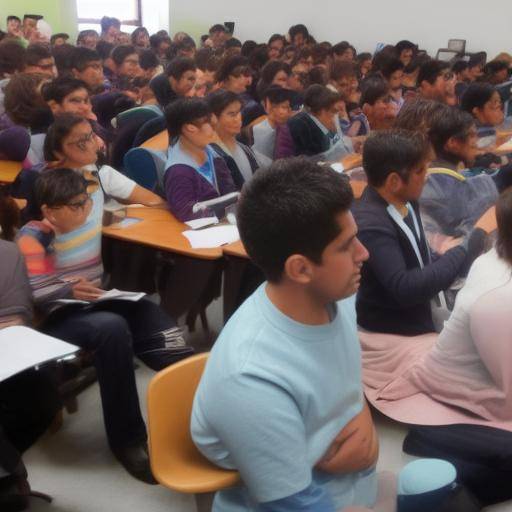
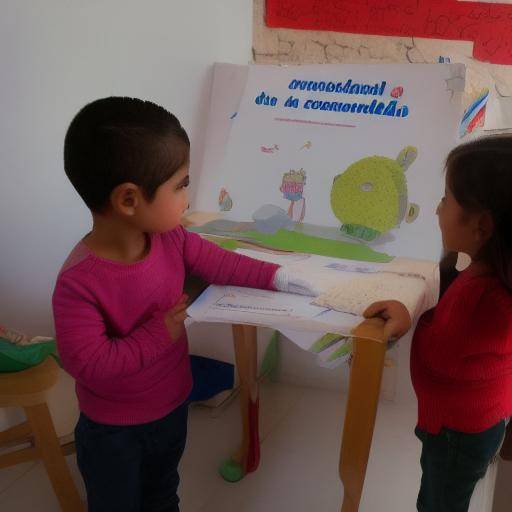
Case studies offer significant benefits in the teaching-learning process. They allow students to face real and complex situations, thus developing critical thinking skills, problem solving and decision-making. Furthermore, based on authentic situations, case studies encourage the commitment and active participation of students.
Despite its many advantages, case studies also present challenges. The collection of accurate and relevant data, as well as the objective interpretation thereof, are crucial aspects to consider when using case studies as an educational tool.
Comprehensive review
The application of case studies to teach problem solving varies according to the educational context and specific objectives. Some disciplines, such as engineering, can focus on technical cases, while social sciences can employ case studies to explore sociocultural phenomena.
An effective approach to teaching with case studies involves the selection of relevant and up-to-date cases that challenge and inspire students. In addition, promoting open discussion and sharing of ideas around case studies promotes an interactive and collaborative learning environment.
Comparative analysis
Compare and contrast the use of case studies in the teaching of problem resolution leads us to appreciate the diversity of pedagogical approaches. While some educators prefer to use case studies as concrete illustrations of theoretical concepts, others use them as vehicles for self-discovery and critical analysis.
Effective teaching through case studies requires adaptation to student learning needs and styles. Flexibility in the pedagogical approach, combined with careful selection of relevant and stimulating cases, enhances the positive impact of this educational methodology.
Practical Tips and Useful Tips
Using case studies to teach problem solving, it is essential to guide students through a structured process. Providing a clear analytical framework to address case studies, together with guidance on data analysis and solutions identification, helps maximize the educational value of this methodology.
Some practical tips for teaching with case studies include:
- Appropriate context: To present the case so that students understand its relevance and applicability in real situations.
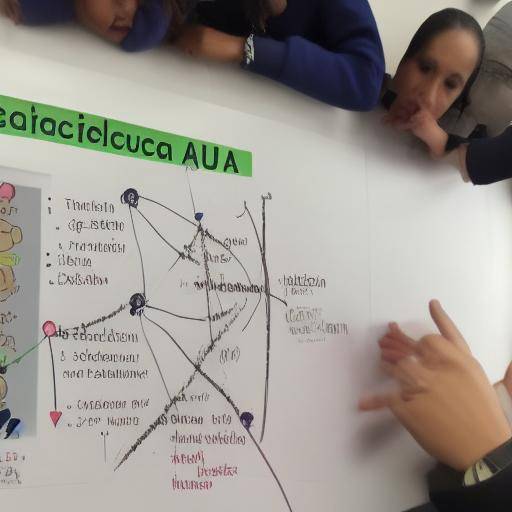
- Encourage the discussion: Encourage discussions in which students can share different perspectives and approaches to solve the problem presented in the case study.
- Promote critical thinking: Question key decisions made in the case and explore alternatives to broaden students' understanding.
- Interdisciplinary connections: Show how the case can relate to other areas of study, thus enriching the holistic understanding of the problem.
Industry Perspectives and Expert Reviews
The educational community and pedagogy experts recognize the value of using case studies to teach problem solving. The integration of this methodology into the curriculum has proved effective in preparing students for the challenges of the real world.
According to Dr. Ana Martínez, professor of educational psychology at the National University, "the case studies are an excellent tool to involve students in the active learning process and stimulate critical thinking. By analyzing concrete scenarios, students can apply theories and concepts learned to real situations, which strengthens their understanding and competence in problem solving."
Case Studies and Practical Applications
In order to fully understand the impact of case studies on the teaching of problem resolution, it is essential to examine real examples of its implementation. A relevant case study is the product design challenge of the ABC company, in which engineering students faced a complex problem related to the optimization of the design of a mechanical component.
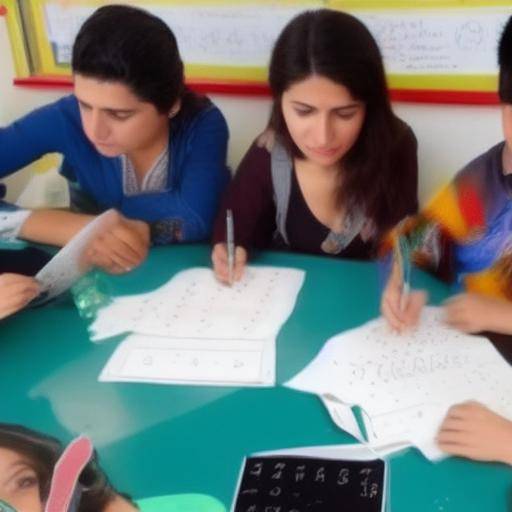
When working in teams, the students analyzed the case, identified existing limitations and proposed innovative solutions. This practical approach not only improved their troubleshooting skills, but also provided them with valuable experience for their future career.
Future Trends and Predictions
As the field of education progresses, the integration of emerging technologies, such as virtual reality and simulation-based learning, is a promising direction for the use of case studies. These tools offer the opportunity to immerse students in ultra-realist virtual environments, giving them immersive practical experiences in problem solving.
Conclusion and Frequently Asked Questions
In conclusion, case studies are a valuable pedagogical strategy to teach problem solving, providing students with the opportunity to apply theoretical concepts to real-world situations. The flexibility and effectiveness of case studies make them an essential tool for developing critical skills in students.
Frequently asked questions
1. Why are case studies so effective in teaching problem solving?
Case studies involve students in authentic situations, promoting critical thinking, informed decision-making and logical reasoning, making them an effective tool for learning.
2. What is the best way to structure a case study to teach troubleshooting?
The case study should present a clear and challenging problem, allowing students to explore different solutions and justify their approaches, which fosters deep analysis and creativity in problem solving.
3. How can educators evaluate the performance of students when using case studies?
The evaluation may include the individual or group presentation of solutions to the problem raised in the case study, as well as active participation in the discussions, showing the effective application of problem solving skills.
4. What are the common challenges in using case studies in teaching problem solving?
Some challenges may include the selection of relevant cases, the collection of accurate data and the assurance that the case is representative and applicable to various situations.
5. Can case studies adapt to different educational levels and cultural contexts?
Yes, case studies are highly adaptable and can be adjusted to meet specific educational needs and contexts, making them suitable for a wide range of audiences and educational environments.
6. How can educators foster the active participation of students by using case studies in the classroom?
Active participation of students can be encouraged through guided debates, role simulations, group presentations and practical activities related to case study.
With these frequently asked questions, a complete understanding of key concepts related to the use of case studies for the teaching of problem solving is provided.
In short, case studies are a powerful tool to teach troubleshooting skills, as they offer a practical and contextualized approach to learning. By adopting a student-centred approach, encouraging active participation and providing structured guidance, educators can maximize the educational potential of case studies.