Applications Courses in Educational Environments
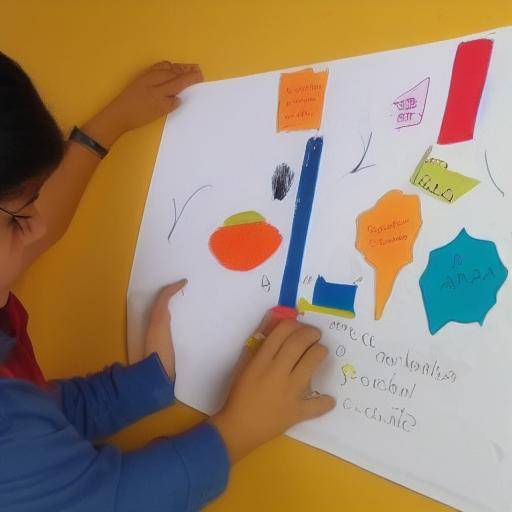
Implementing clear goals in the educational environment requires a detailed understanding of best practices and strategies that can maximize their effectiveness. Below are some practical applications of how educators can establish and communicate clear objectives to improve student motivation:
- Establishment of SMART Goals:
- Specific: The objectives must be clear and detailed, specifying exactly what is expected to be achieved.
- Measurable: They should include criteria for evaluating progress and success.
- Reachable: Objectives must be realistic and achievable for students, based on their level of skill and knowledge.
- Relevant: They must be aligned with the interests and needs of the students, as well as with the general objectives of the course.
- With a defined time: They must have a clear time frame for their achievement, which helps to maintain focus and urgency.
- Effective Communication of the Goals:
- Clarity: Use a clear and understandable language for all students.
- Relevance: Explain why the goals are important and how they relate to general learning.
- Collaboration: Involve students in the process of setting goals, allowing them to contribute and personalize their goals.
- Monitoring and Feedback:
- Regular follow-up: Review progress towards goals at regular intervals to make sure students stay on the right track.
- Constructive Feedback: Provide specific and constructive feedback on student progress, highlighting successes and suggesting improvement areas.
- Adaptability: Be willing to adjust the objectives as necessary, based on the progress and changing needs of students.
- Logistics Celebration:
- Recognition: Celebrating achievements when students reach their goals, which positively reinforces their motivation and self-esteem.
- Reflection: Encourage reflection on what worked well and what could be improved in the future.
Comparative analysis
Objectives Claros vs. Vaguely defined objectives
Advantages of Clear Objectives:
- Direction and Purpose: They provide a clear road map, helping students understand what is expected of them.
- Intrinsic motivation: Students feel more motivated and committed to achieving specific goals.
- Progress measurement: They allow a clear assessment of progress, facilitating adjustments to the learning approach.
Vaguely defined goals:
- Confusion and Disorientation: Students may feel lost or unsure about what is expected of them.
- Demotivation: Lack of clarity can decrease motivation and commitment.
- Difficulty Measuring Progress: It is more difficult to assess progress and provide significant feedback.
Individualized objectives vs. General objectives
Advantages of Individualized Goals:
- Personal Relevance: Students are more motivated when the objectives are aligned with their personal interests and needs.
- Adjustment to Capacity: They can be adjusted to be achievable and challenging for each student, improving self-esteem and confidence.
Disadvantages of General Goals:
- Lack of Personalization: General objectives may not be relevant or motivating for all students.
- Challenges in Measurement: It is more difficult to evaluate success when the objectives are not adapted to the individual abilities of the students.
Practical Tips and Actions
Strategies for Educators
- Involve Students in Planning:
- Allowing students to participate in setting their own goals can increase their sense of ownership and commitment.
- Use Educational Technologies:
- Tools such as goal tracking applications and learning platforms can facilitate communication and monitoring of objectives.
- Create a Support Environment:
- Promote a culture of support and collaboration where students feel comfortable sharing their goals and progress.
- Developing Metacognition Skills:
- Teaching students to reflect on their own learning process and how their actions bring them closer to or away from their goals.
Industry Perspectives and Expert Reviews
Current Trends and Futures
- Integration of Positive Psychology:
- The incorporation of principles of positive psychology in the setting of objectives can improve the emotional well-being and resilience of students.
- Personalized Learning:
- Advanced technologies allow a more personalized approach to education, facilitating the creation of individualized and adaptive goals.
- Approach in Skills:
- In addition to academic objectives, greater attention is being paid to objectives related to soft skills such as communication, collaboration and critical thinking.
Opinions of Experts
- Dr. Jane Smith, Educational Psychologist: "Setting clear goals not only improves academic performance, but also promotes the development of self-management and intrinsic motivation skills in students."
- Prof. John Doe, Educator and Author: "The key to success in modern education is to combine clear objectives with a flexible and adaptive approach, allowing students to find their own way to success."
Conclusion
In conclusion, clear objectives are an essential component for student motivation and academic success. They provide clear direction, increase in intrinsic motivation and facilitate the evaluation of progress. However, it is crucial that these objectives be specific, measurable, achievable, relevant and time-bound. By implementing effective strategies and adapting goals to the individual needs of students, educators can create an environment of learning that not only promotes academic success, but also promotes the integral development and emotional well-being of students. With appropriate support and a balanced approach, clear objectives can positively transform the educational process and prepare students to face the challenges of the future with confidence and determination.