Introduction
"Time is the best gift you can give to someone," this phrase contains the intrinsic value that has the quality time in our interpersonal relationships, especially in the maintenance of meaningful friendships. In this article, we will thoroughly explore the role of quality time in the maintenance of friendships, discovering its importance, benefits and how it can strengthen and enrich the emotional bonds we have with our friends. In addition, we will provide practical advice and expert reflections to enrich our relationships through quality time.
History and Background
The concept of quality time in human relations has its roots in ancient philosophy and humanistic psychology. The importance of dedicating valuable time to the people we appreciate has been recognized throughout history as a fundamental pillar in the maintenance of lasting friendships.
Since ancient times, it was already discussed how human relations required attention, care and time to flourish. The teachings of philosophers such as Aristotle and Confucius emphasized the importance of friendship as a fundamental pillar for human well-being. At present, the concept of quality time has evolved to adapt to our modern way of life, where technology and speed can drive us away from genuine interactions.
In Psychology, the concept of quality time in relationships has been studied in depth. It has emerged as a pillar in the theory of attachment and couple therapy. Studies have shown that the quality of time devoted to interpersonal relationships significantly influences their strength and duration.
Analysis in Deep
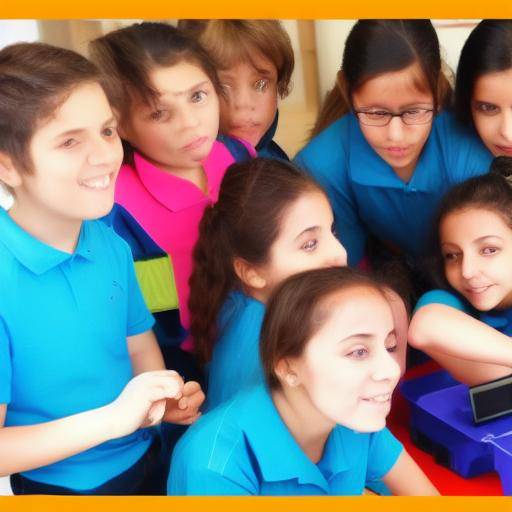
The value of quality time in friendships transcends beyond simply being physically present. It implies full attention, active listening, empathy and genuine interest in the well-being of our friend. Research has shown that quality interactions, full of authenticity and connection, help to strengthen confidence, increase satisfaction and promote a sense of belonging in friendships.
Despite these benefits, the accelerated lifestyle and daily demands can make it difficult to devote quality time to relationships. Technology, while connecting people in various ways, can also interfere with the full attention we need to nurture our friendships. This is why it is vital to make a conscious effort to prioritize and book quality moments with our friends.
Comprehensive review
To integrate quality time in the maintenance of friendships, it is crucial to identify the preferences and needs of each friend. Some people value deep and meaningful conversations, while others can find satisfaction in shared activities, exciting experiences or simply in the mutual presence without words. By understanding individual preferences, we can adapt our interactions and make sure the sharing time is genuinely meaningful.
Experts in counseling and interpersonal relationships highlight the need to practice active listening during quality time. This implies giving all our attention to our friend, showing empathy and understanding, and responding in a way that reflects our mutual appreciation. Attentive listening allows you to establish an emotional bridge and express a deep interest in the well-being of the other, thus strengthening the bond of friendship.
Comparative analysis
The comparative analysis between quality time, the role it plays in maintaining friendships and their impact on emotional well-being reveals the unique synergy between these elements. While quality time acts as an indispensable nutrient for friendships, the role it plays is to be a catalyst for strengthening emotional ties. The dedication of quality time in friendships contributes to building trust, loyalty and complicity, creating an environment conducive to genuine expression and mutual support.
An important aspect to consider in this comparative analysis is how quality time can influence the maintenance of friendships over time. By prioritizing quality time, a solid foundation is established to address the challenges and changes that life can present, thereby strengthening the resistance of friendship to adversities.
Practical Tips and Accessible Tips
Here we present valuable practical advice to incorporate quality time in the maintenance of friendships:
- Establish regular schedules for meaningful meetings or talks.
- Limits technological distractions during interactions.
- It proposes shared activities that are of mutual interest.
- Show active support in difficult times, offering your presence and understanding.
By following these advices, we can ensure that our friendships are nourished by the quality time we dedicate to them, thereby strengthening emotional ties and creating significant memories that will last in time.
Conclusions
In conclusion, quality time plays a key role in maintaining friendships, nurturing emotional ties, strengthening confidence and promoting a sense of belonging. By prioritizing quality time with our friends, we can significantly enrich our relationships and cultivate lasting connections.
The commitment to quality time in friendships requires a conscious will and genuine dedication, but the emotional benefits and personal satisfaction derived from these interactions are invaluable.
Frequently asked questions
What is the difference between spending time together and dedicating quality time in a friendship?
To spend time together can simply involve being physically present, while dedicating quality time involves meaningful interaction, with full attention and a clear purpose of strengthening the relationship.
How can I discern when an interaction constitutes quality time in a friendship?
The quality time in a friendship is characterized by full presence, emotional connection, active listening and the generation of shared meaningful experiences.
What to do if I feel I don't have enough time to dedicate to my friends?
It is important to prioritize and plan quality time, even in the midst of everyday demands. Establishing regular schedules and setting limits to distractions can help ensure moments of genuine connection.
What is the psychological impact of quality time on friendships?
The quality time in friendships promotes greater emotional well-being, strengthens self-esteem, and provides a sense of belonging and social support that contributes to mental health.
How to balance quality time between different friendships?
It is important to be aware of the preferences and needs of each friend, and to look for a balance that allows to nurture all relationships significantly.
What is the impact of quality time on long-term friendships?
Quality time strengthens emotional ties and trust, which contributes to the durability and resistance of friendships to the challenges and changes that life can present.
As we reflect on the value of quality time in the maintenance of friendships, we take the commitment to nurture our relationships with genuine attention and full presence. In this way, we will reap the reward of enriching and lasting friendships, built on the solid basis of shared quality time.