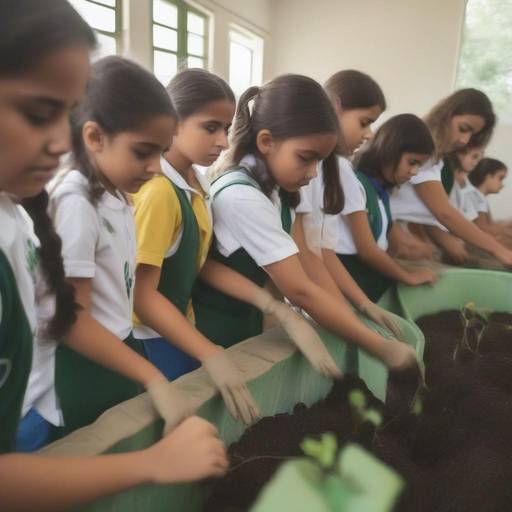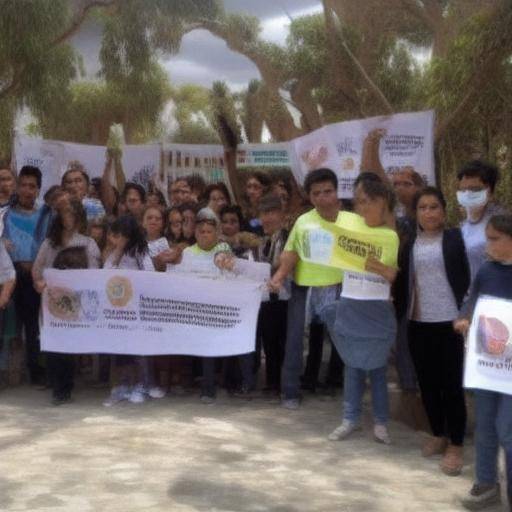
School gardens are an increasingly valued educational tool in the field of environmental education. By allowing students to learn about nature, agriculture, and ecology directly in their school environment, these orchards not only encourage respect for the environment, but also promote healthy living habits and a greater awareness of the importance of sustainability. In this article, we will thoroughly explore the role of school gardens in environmental education, their history, benefits, challenges, practical applications, and future trends. In addition, we will address the key role played in environmental education and how they are articulated with other aspects of sustainability.
Introduction: The Importance of School Huertos
School orchards have become a crucial component of environmental education, as they encourage students to connect with the nature and cycle of life. These spaces offer practical and enriching learning opportunities, allowing students to understand in a tangible way the principles of ecology, the importance of sustainable agriculture and the conservation of the environment. In addition, they promote the acquisition of skills such as teamwork, responsibility and critical thinking. We will then explore in detail the historical evolution and impact of school gardens on environmental education.
History and Background of School Huertos
Origins and Evolution
School orchards are rooted in the first agricultural education initiatives, which emerged in response to the need to teach young people about food production and land care. Over time, these spaces evolved to cover not only agricultural aspects, but also ecological and sustainability values. Its history shows a process of growth and adaptation to different educational contexts, as well as the incorporation of new techniques and pedagogical approaches.
Significant issues
Various milestones have been identified in the history of school gardens, such as the integration of these practices into formal educational programmes, collaboration with environmental and agricultural organizations, and the creation of knowledge-sharing networks. These milestones mark the progress and growing relevance of school gardens as a tool for environmental education in various countries.
Key figures
The promotion and encouragement of school gardens have been led by influential figures in education, agriculture and the environment. The work of visionaries and activists in this area has contributed significantly to the recognition and expansion of school gardens as an essential component of environmental education.
Anecdotes and Case Studies
There are numerous anecdotes and case studies that illustrate the positive impact of school gardens on environmental education. From rural schools to urban environments, these examples highlight how school gardens have transformed not only the learning of students, but also the communities in which they are located.
Analysis in Deep School Huertos
Benefits for Environmental Education
School orchards offer a wide range of educational benefits, including direct connection to nature, promotion of healthy eating, promotion of biodiversity, and understanding of natural cycles. In addition, they provide students with a space to experience and apply interdisciplinary knowledge, fostering a comprehensive understanding of the interconnection between human activity and the environment.
Challenges and Opportunities
Despite their benefits, school gardens also face challenges, such as lack of resources, long-term maintenance and continuity of projects. Identifying these challenges is crucial for effectively addressing them and maximizing the positive impact of school gardens. At the same time, there are opportunities to expand the scope of school gardens, such as collaboration with government entities, the development of partnerships with the local food industry, and the integration of school gardens into teacher training programmes.
Current trends
Current trends in environmental education highlight the increased incorporation of school orchards into school curricula, as well as a growing awareness of the importance of sustainability and the connection with nature in the educational process. In addition, there is a greater diversity in pedagogical approaches to the implementation of school gardens, adapting to different educational and sociocultural contexts.
Comprehensive Review of School Huertos in Environmental Education
Applications and Best Practices
The practical applications of school orchards range from food production for the school community to the integration of interdisciplinary activities that address science, mathematics, art and health issues. Best practices include participatory planning with students, teachers and community members, as well as integration of environmental care activities and sustainability in the day-to-day school garden.
Outlook of Experts
Experts on environmental education underscore the importance of school orchards as a transformative tool that promotes the development of key skills, the strengthening of the sense of community, and the formation of conscious and committed citizens to the protection of the environment. These perspectives highlight the relevance of school gardens in the context of current education.
Comparison of Methods and Approaches
The variety of methods and approaches for the implementation of school orchards allows these initiatives to be adapted to the specific needs of each educational community. The comparison between traditional and more innovative approaches reveals the importance of flexibility and adaptation to different local realities. It also highlights the diversity of pedagogical approaches that can be integrated into the design and management of school gardens.
Complete Analysis of Advantages and Advantages
Assessing the advantages and disadvantages of school orchards allows us to understand their impact from different perspectives. While benefits include strengthening the community, promoting environmental responsibility and promoting healthy food, the challenges of infrastructure, time and resources needed to sustain school gardens in a sustainable manner should also be considered.
Practical Tips and Accessible Recommendations
Steps to Implement a School Huerto
For those interested in setting up a school garden, it is important to follow a number of key steps, including participatory planning, community collaboration, clear goals setting, and the development of a sustainable maintenance plan. These steps provide a practical guide to successfully initiate and maintain a school garden.
Integration of School Huertos in the Curriculum
Another fundamental aspect is the integration of school orchards into the school curriculum, which allows connecting academic content with the practical experience of the garden. This is achieved by identifying related thematic areas, planning interdisciplinary activities, and evaluating the impact of school gardens on educational outcomes.
Conclusions
Summary of Key Points
In short, school gardens play a key role in environmental education, promoting the connection of students with nature, fostering practical learning and the acquisition of relevant skills, and promoting greater awareness of the importance of sustainability and environmental conservation.
Implications for the Future
The role of school gardens in environmental education has significant implications for the future of education and sustainability. As these spaces are integrated more broadly into educational systems, it is crucial to further develop innovative approaches, promote collaboration among different educational actors, and strengthen the articulation of school gardens with other aspects of sustainability, such as waste management, energy efficiency, and the care of local ecosystems.
Frequently asked questions
1. How can school orchards contribute to sustainability education?
School orchards offer practical opportunities to address sustainability issues, from local food production and consumption to organic waste management. In addition, they enable students to fully understand the principles of sustainability through direct experience with nature.
2. What resources are needed to establish a school garden?
The resources necessary to establish a school garden vary according to the size and scope of the project, but they usually include gardening tools, seeds, fertile land, building materials for breeding beds, and irrigation systems, as well as trained volunteers and teachers.
3. What are the benefits for the school community of having a school garden?
School gardens offer benefits such as promoting healthy habits, creating a community space for intergenerational learning, connecting with nature, and raising awareness about the importance of sustainability.
4. How can school gardens address food education and food security?
School orchards can contribute to food education by fostering understanding of food production processes, promoting healthy food, and raising awareness of the importance of local and global diversity and food security.
5. What are the common challenges facing school gardens?
Some common challenges include water management, long-term maintenance, coordination with the school curriculum, community participation, and integration of school gardens into formal educational processes.
6. What are the opportunities to expand the impact of school gardens?
There are opportunities to expand the impact of school orchards through partnerships with local food sector actors, the promotion of educational policies that support the integration of school orchards, and collaboration with research institutions to assess their impact.
In conclusion, school gardens play a key role in environmental education by providing a meaningful and practical learning space that promotes connection with nature, promoting sustainable habits, and understanding the principles of sustainability. As these spaces continue to evolve and expand, their impact on the formation of conscious and committed citizens with the protection of the environment becomes increasingly relevant.