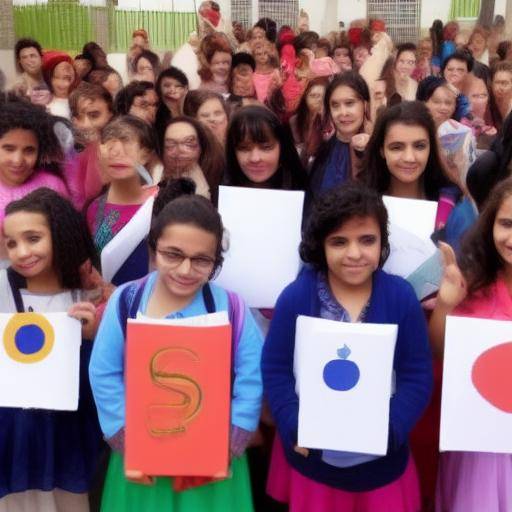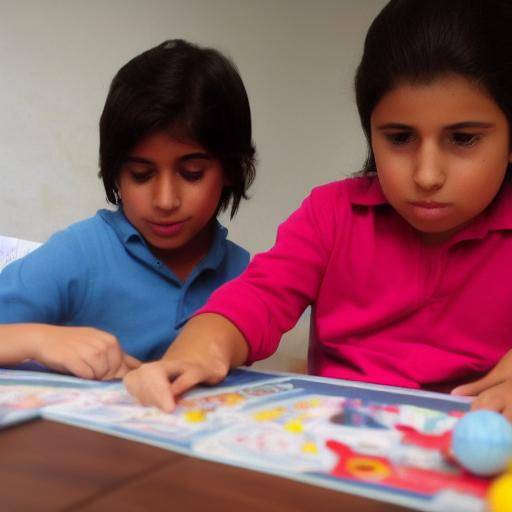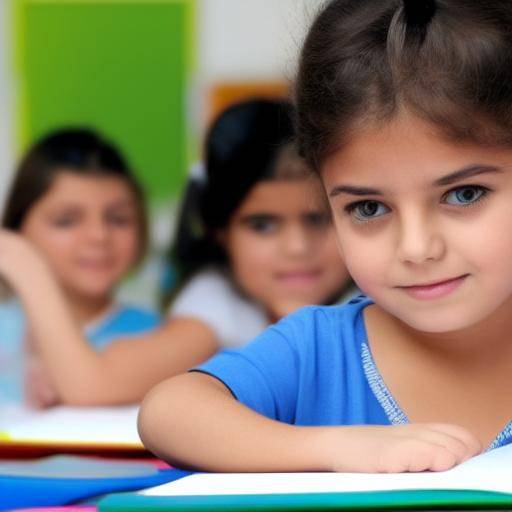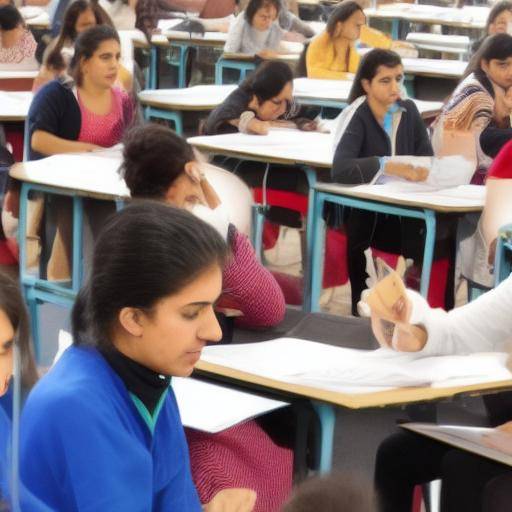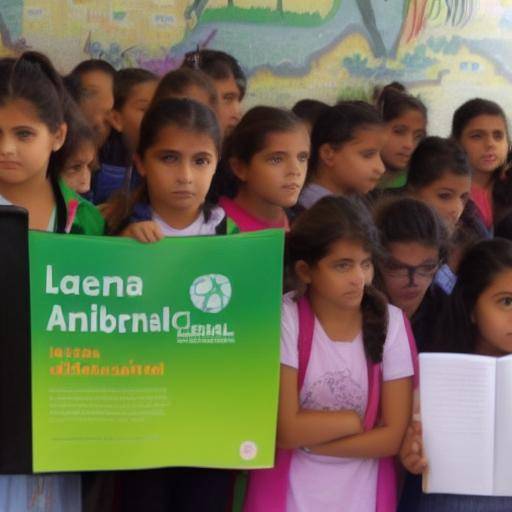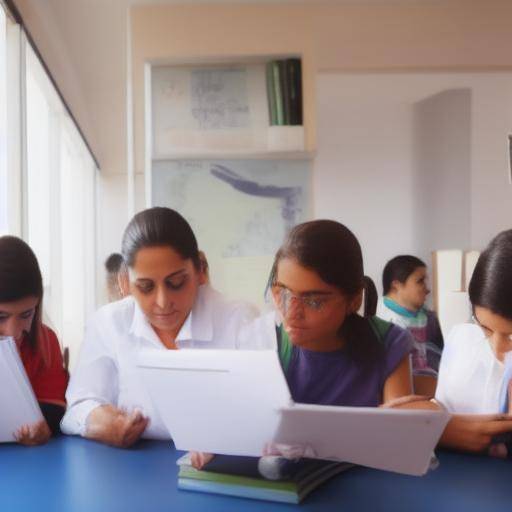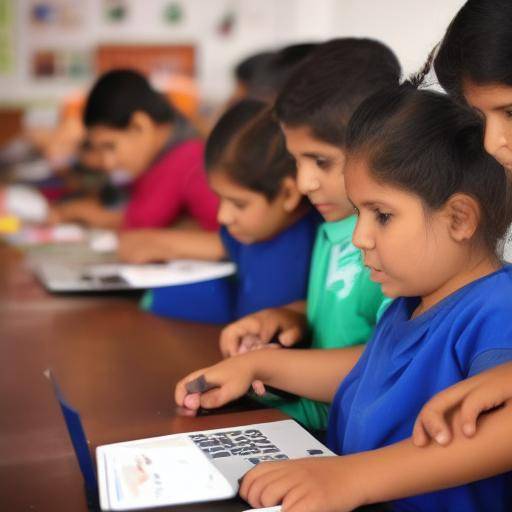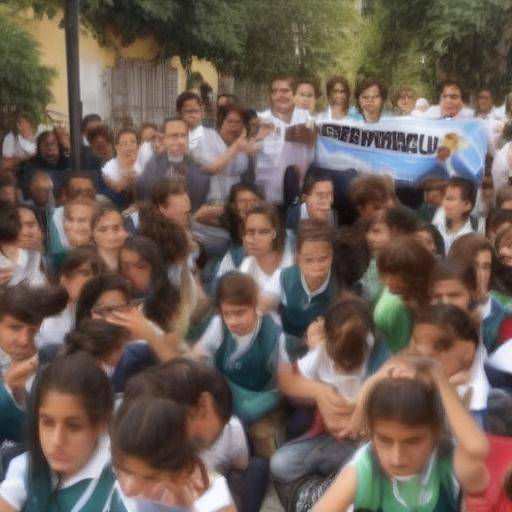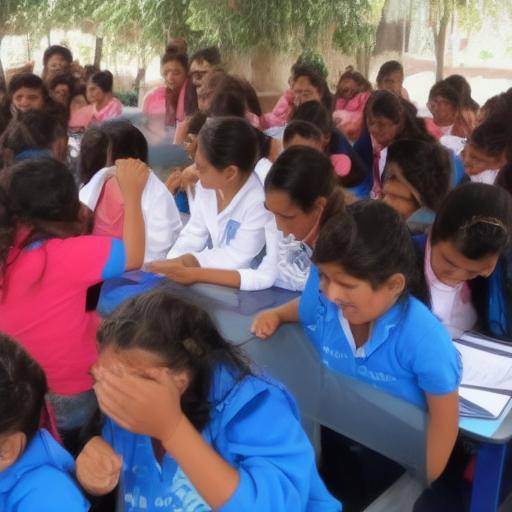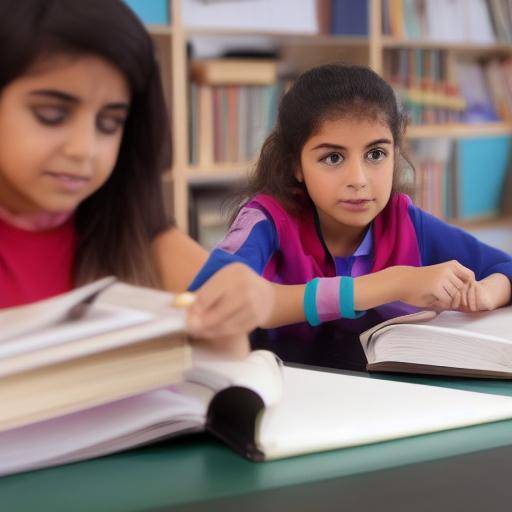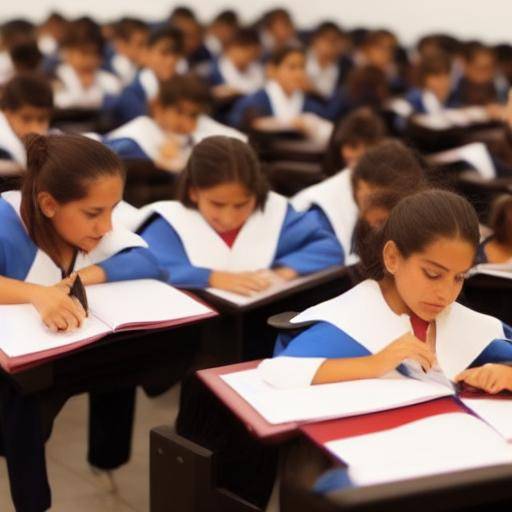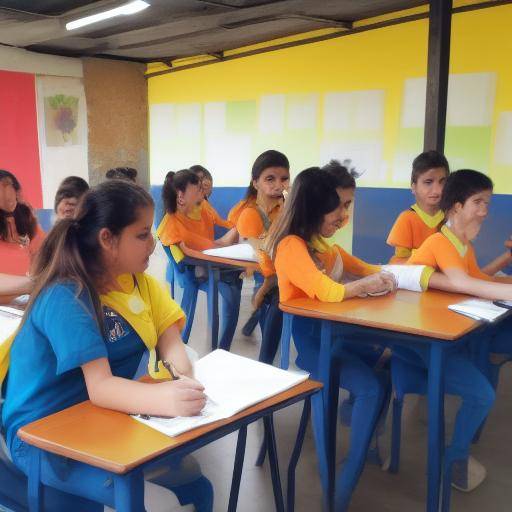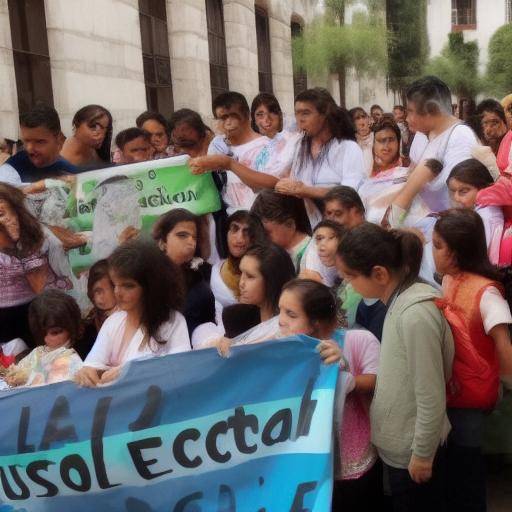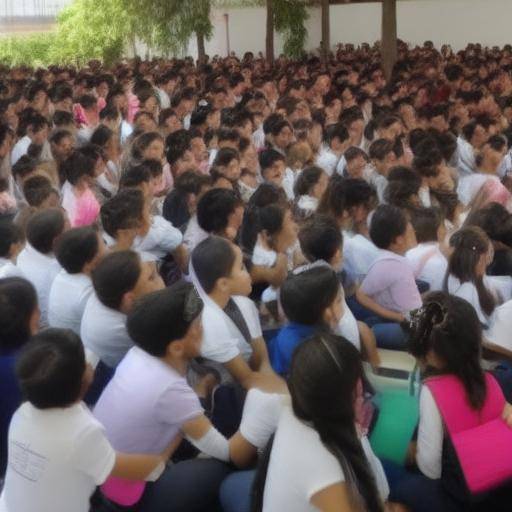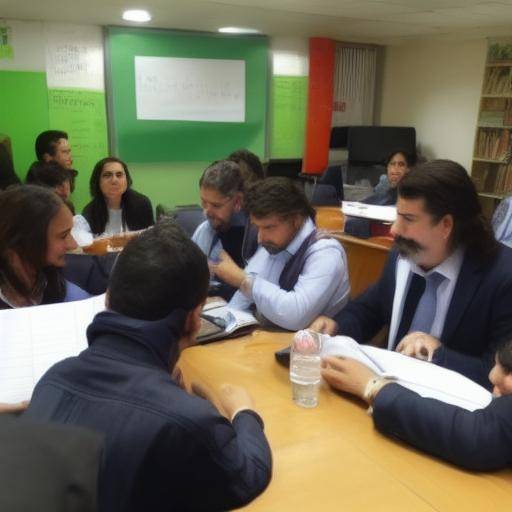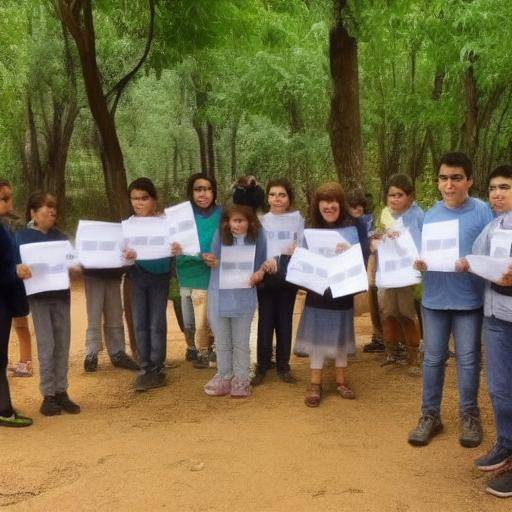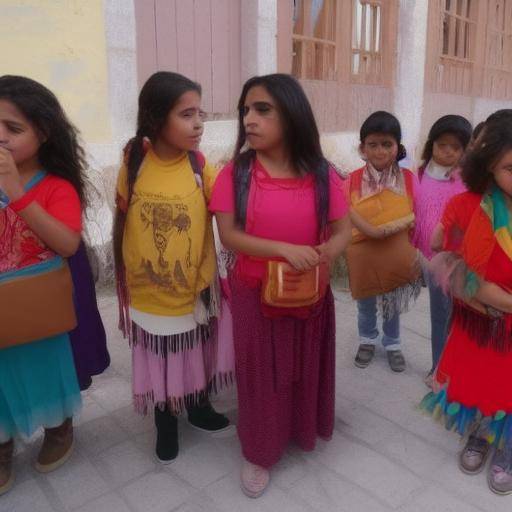
The cultural wealth of indigenous peoples provides a unique and valuable perspective to our society. However, their inclusion in the educational system has been historically limited. In this article, we will explore the importance of promoting the inclusion of indigenous culture in education, the challenges it faces and how to overcome them. We will also provide practical advice and real examples to promote more inclusive and respectful education of cultural diversity.
Introduction
The inclusion of indigenous culture in education is a crucial issue today, as it seeks to honor and preserve the rich traditions, languages and knowledge of indigenous peoples. In doing so, respect, understanding and appreciation of cultural diversity are promoted, which contributes to the construction of a more equitable and inclusive society.
In this perspective, we will address the importance of integrating indigenous culture into educational systems, the benefits that this entails, as well as the challenges that hinder their full implementation. In addition, we will offer practical advice to promote education that values and respects the cultural heritage of indigenous peoples.
History and Background
Origins and Historical Significance
The diversity of indigenous cultures in Latin America dates back to centuries of history, each with its own beliefs, traditions, and knowledge systems. Understanding the history of these cultures is essential to appreciate their value today. From the pre-Columbian era to the resistance and revitalization of its traditions today, indigenous culture has played a vital role in the identity of Latin America.
Significant developments and developments
Throughout history, indigenous communities have resisted colonization and discrimination, fighting to preserve their cultural identity. Despite the challenges, they have managed to preserve their traditions, languages and knowledge systems. The movements of vindicating and recognizing indigenous rights have helped to highlight their importance in contemporary society.
Analysis in Deep
Indigenous peoples have historically faced barriers to accessing an education that values and respects their cultures, leading to the loss of ancestral identity and knowledge. The promotion of indigenous culture in education is a way of redressing this historic injustice and ensuring that future generations do not lose the connection with their roots.
Importance of the Inclusion of Indigenous Culture in Education
The inclusion of indigenous culture in education has multiple benefits, both for indigenous communities and for society as a whole. In assessing and respecting the traditions and knowledge of indigenous peoples, an enriching, inclusive and equitable educational environment is encouraged.
Challenges and Overcoming
Despite its importance, the inclusion of indigenous culture in education faces several challenges, such as lack of resources, discrimination and lack of understanding of the relevance of this inclusion. However, there are strategies and approaches that can help overcome these obstacles and promote more inclusive and respectful education of cultural diversity.
Conclusions
In short, promoting the inclusion of indigenous culture in education is essential to fostering the valuation of cultural diversity and building a more inclusive and equitable society. Through a respectful, collaborative and committed approach, we can expand the impact of indigenous culture on education and enrich the educational experiences of all people.